First generation
Daniel Davies
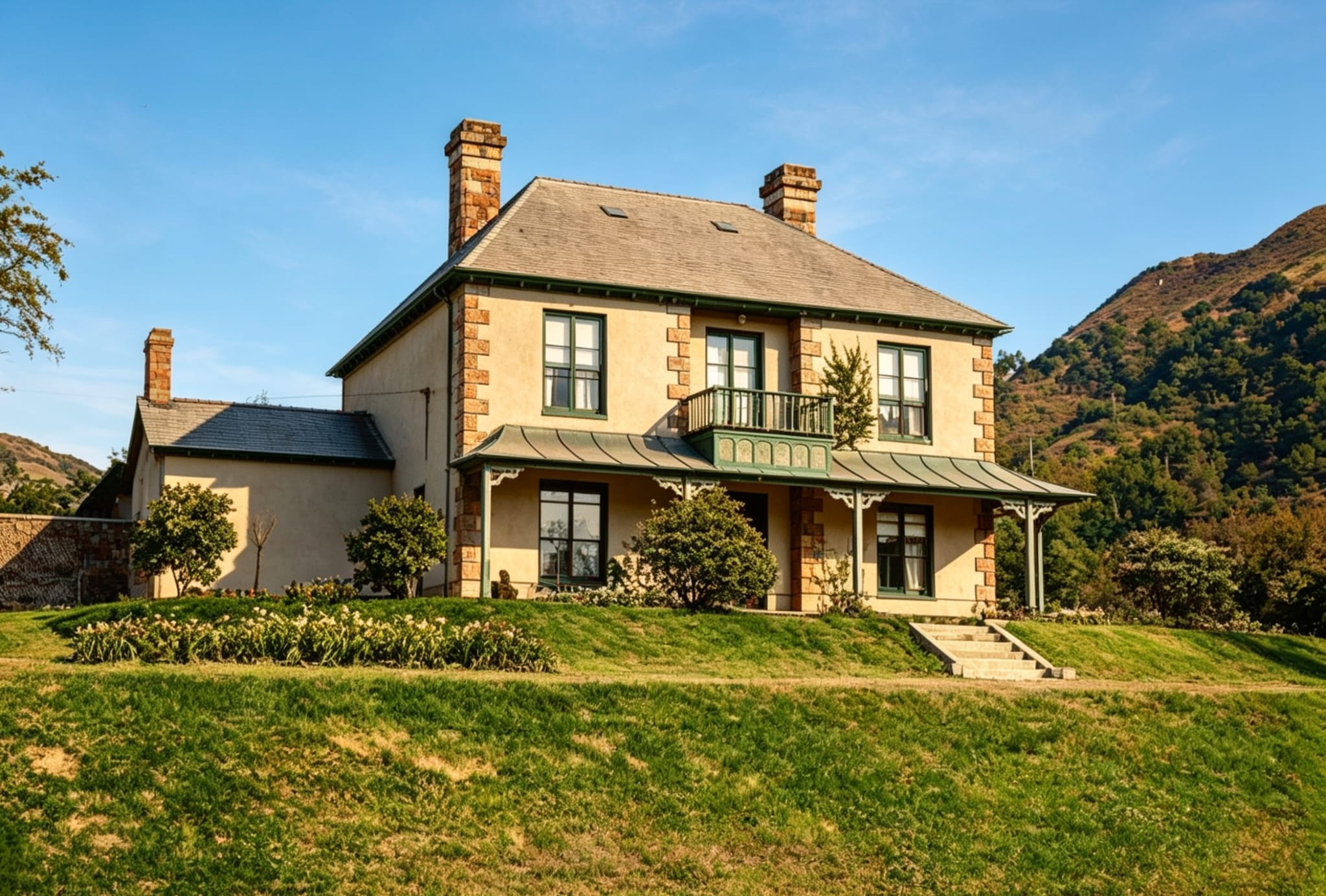
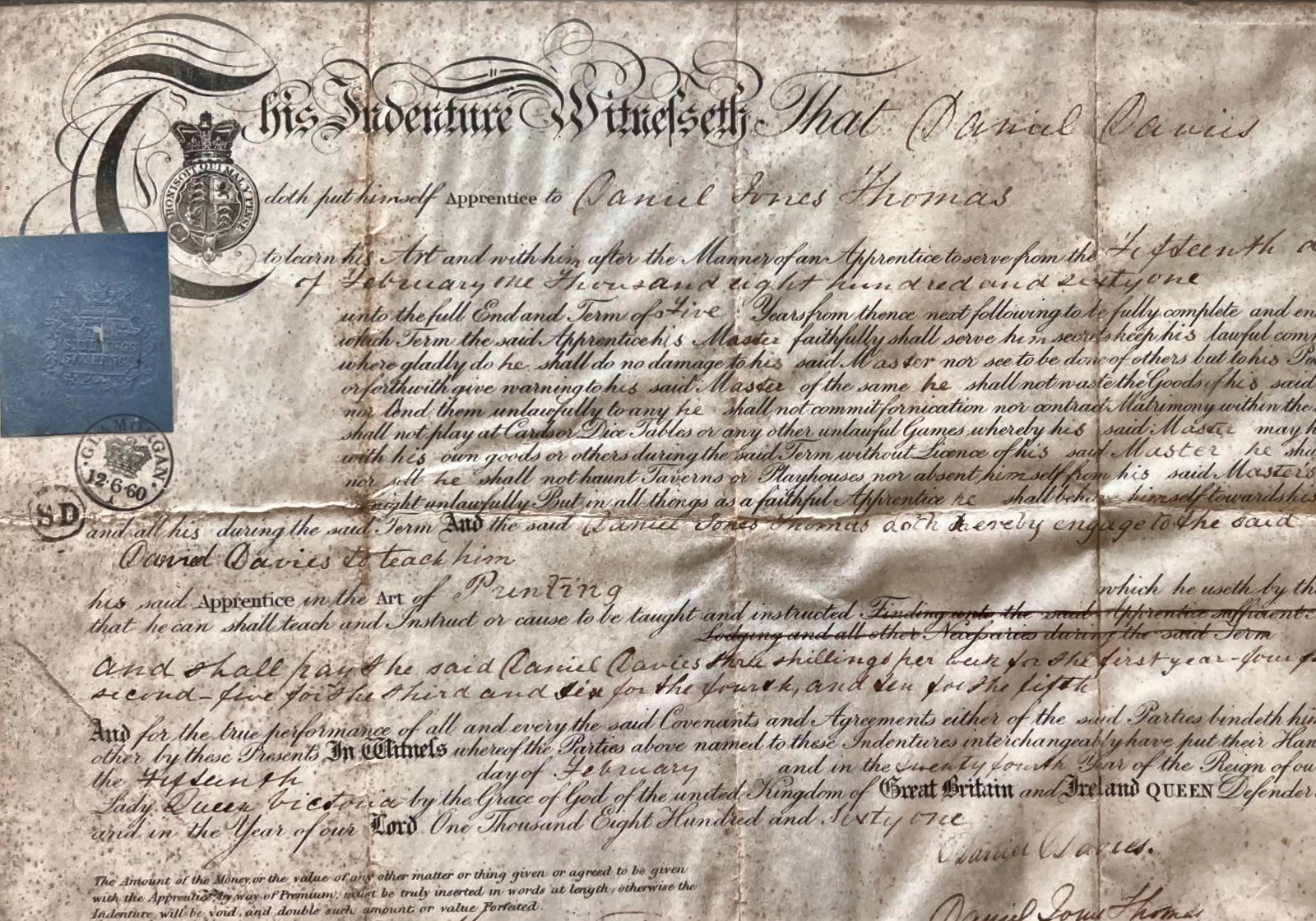
Born in 1848, Daniel formally began his five-year apprenticeship in the Art of Printing in 1861. His surviving indenture is the earliest documented foundation of the family story.
A family life in printing since the 1860s
For generations, our family has recorded the stories of others. This is part of our own.
A living archive
This page brings together surviving photographs, printed matter, machinery and family history. Together, these surviving photographs, documents and films reveal how the business evolved across generations.
Five generations
Every generation inherited more than a business. They inherited a responsibility to preserve the standards, craftsmanship and reputation built by those who came before them.
First generation
Born in 1848, Daniel formally began his five-year apprenticeship in the Art of Printing in 1861. His surviving indenture is the earliest documented foundation of the family story.
Second generation
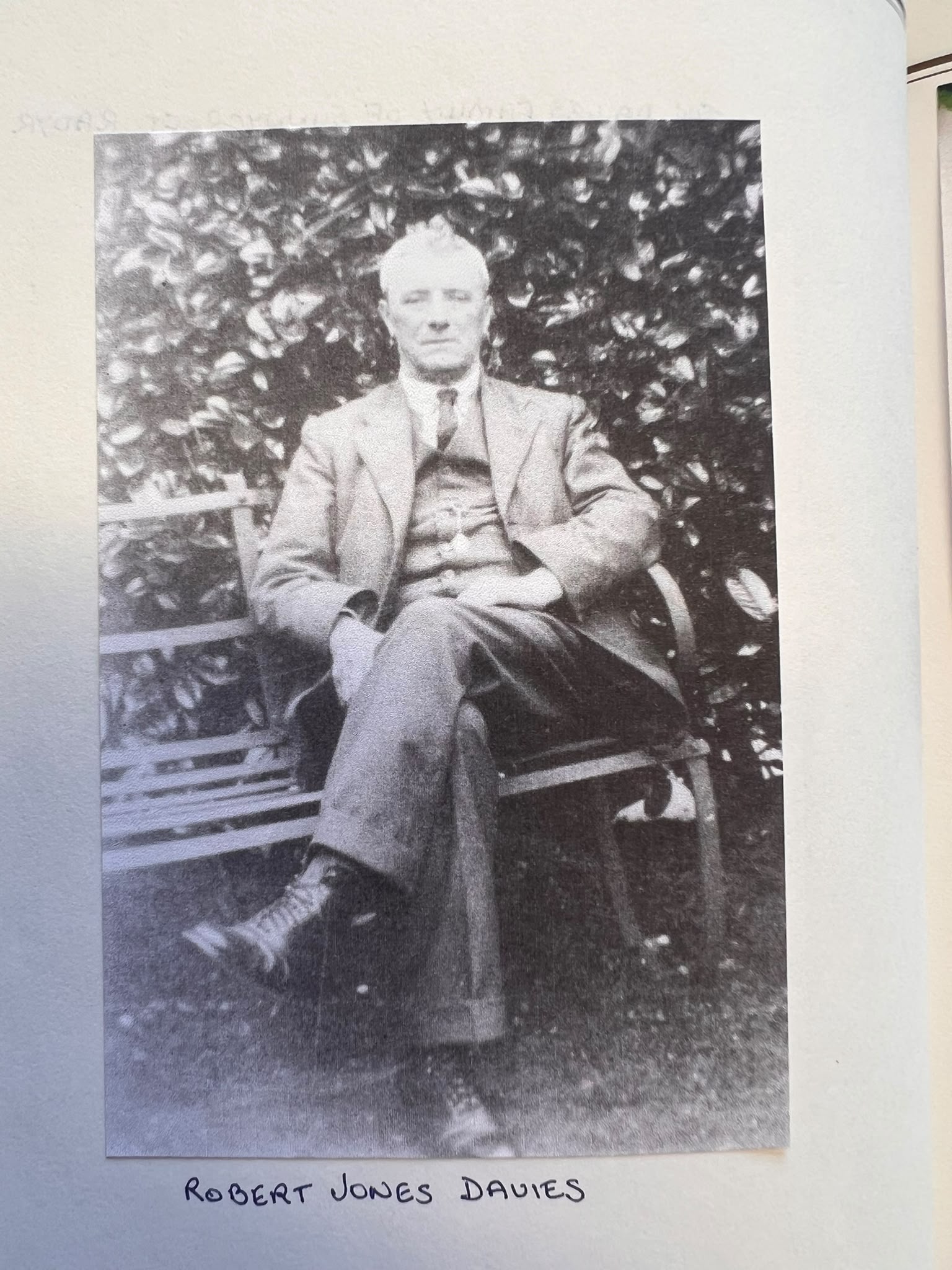
Born in Ystradyfodwg in 1869, Robert Jones Davies helped establish the family business during the extraordinary growth of the Rhondda.
Third generation
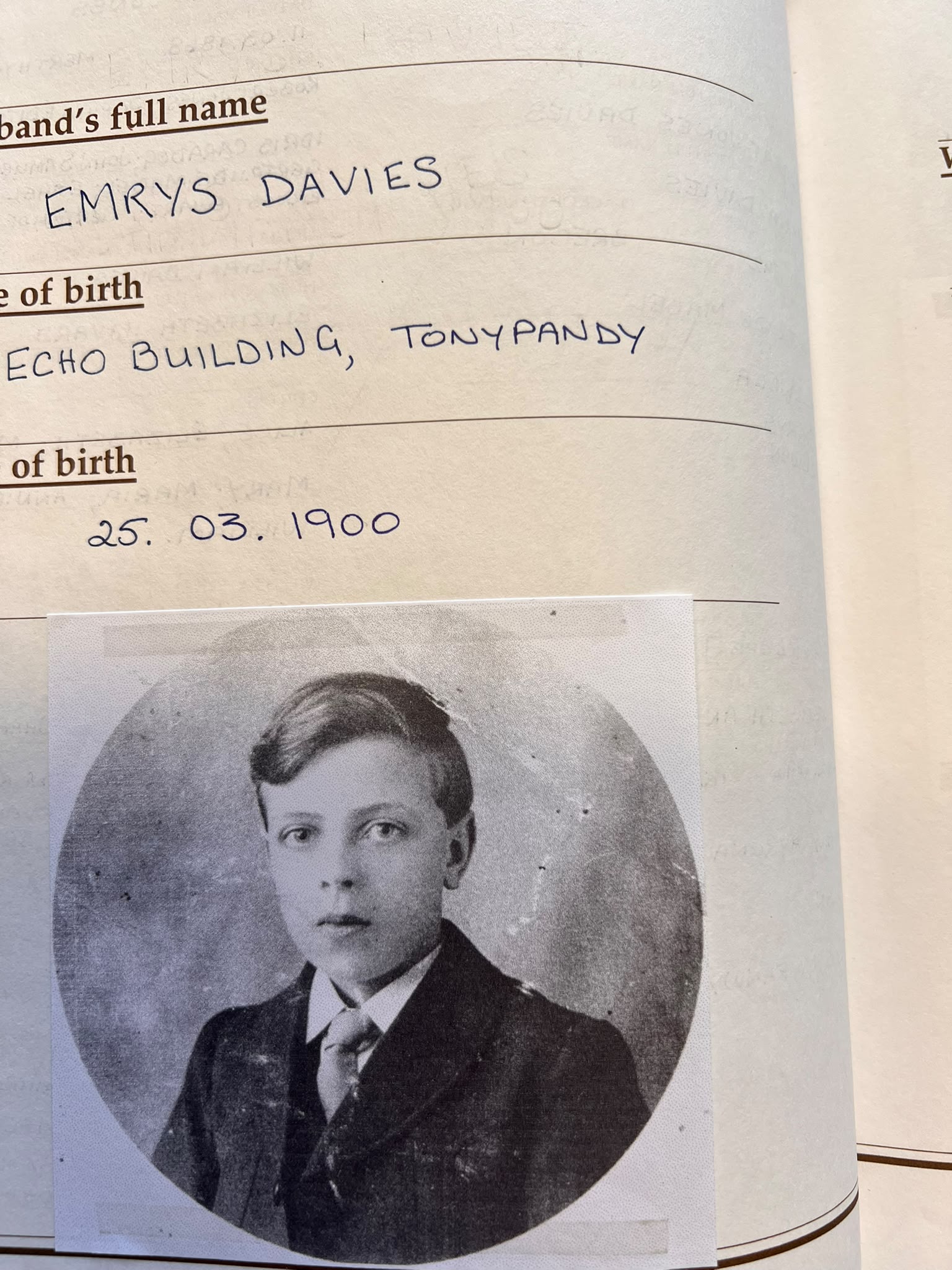
Born at the Echo Building in Tonypandy in 1900, Emrys was born into the printing trade and continued the work of Robert Davies & Co.
Fourth generation
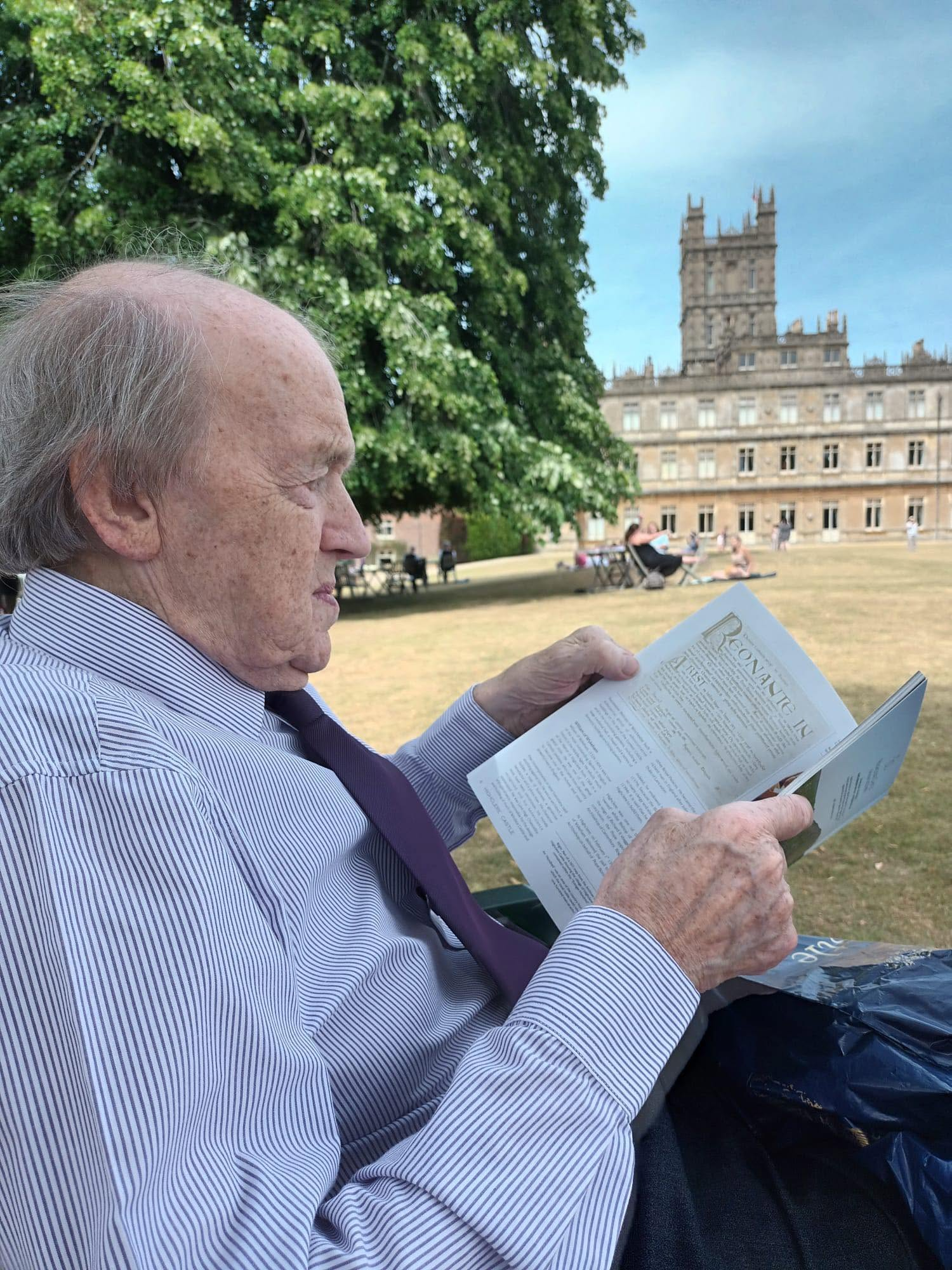
Born in 1934, my father devoted more than 72 years to printing. His engineering knowledge, standards and customer care shaped Glenside Printing.
Fifth generation
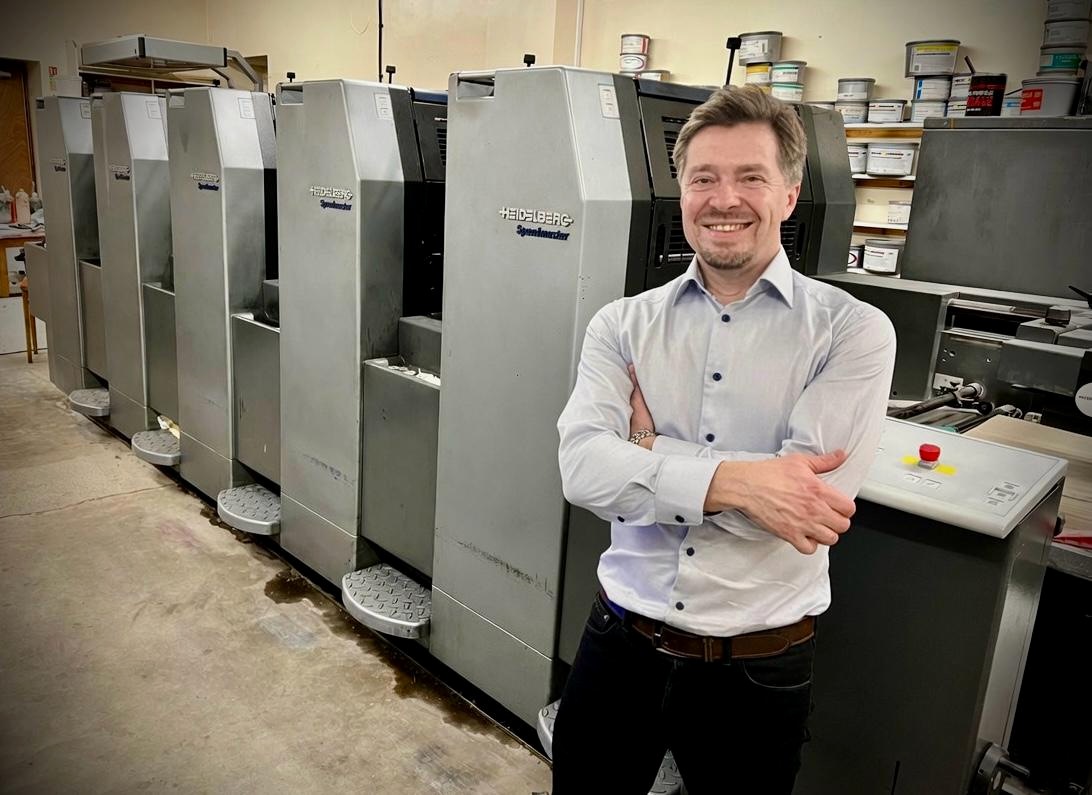
Born in 1966 and officially joining the business in 1984, Jonathan continues the family tradition while guiding Glenside through modern lithographic and digital production.
1861
Daniel Davies began a five-year apprenticeship to Daniel Jones of Aberdare in the “Art of Printing”. The surviving indenture gives the family’s documented printing story a clear Victorian starting point.
From hand-set type to modern production, the tools changed. Accuracy, patience and responsibility for the finished work did not.
1882
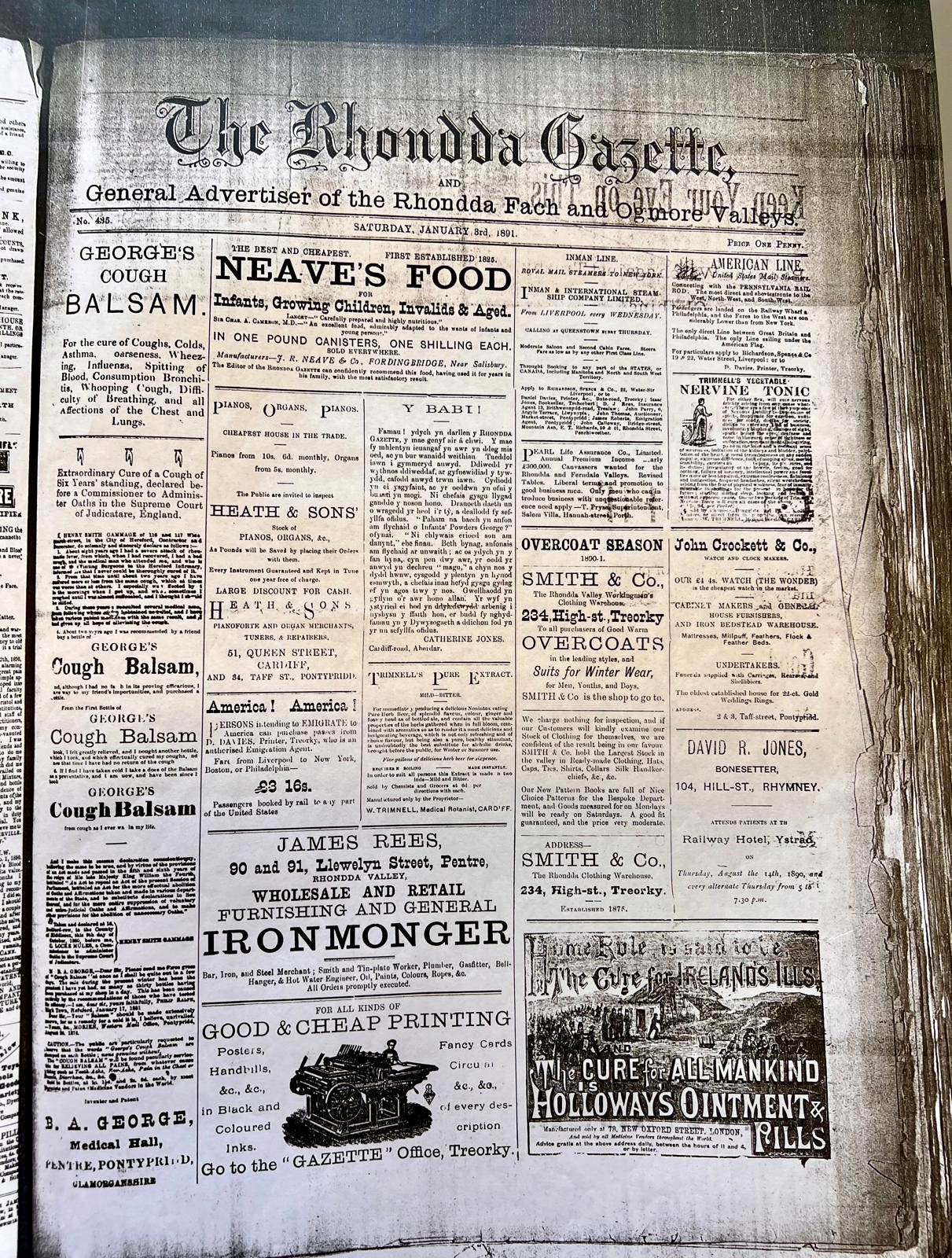
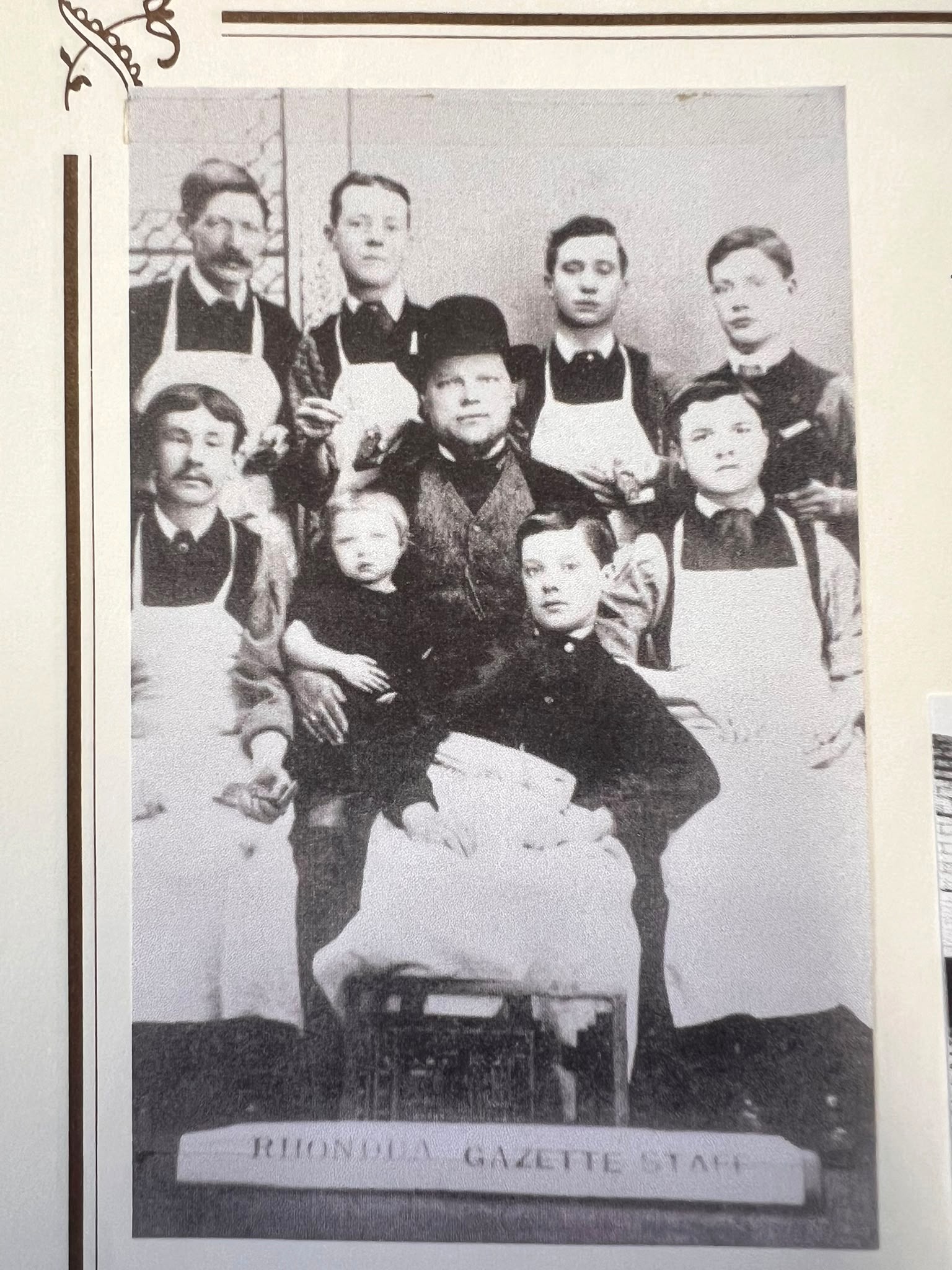
Daniel Davies founded the Rhondda Gazette during a period of rapid industrial and social change. Newspaper production brought together reporting, composition, presswork and distribution.
Every line depended on type being assembled accurately before the press could run.
The people and the place
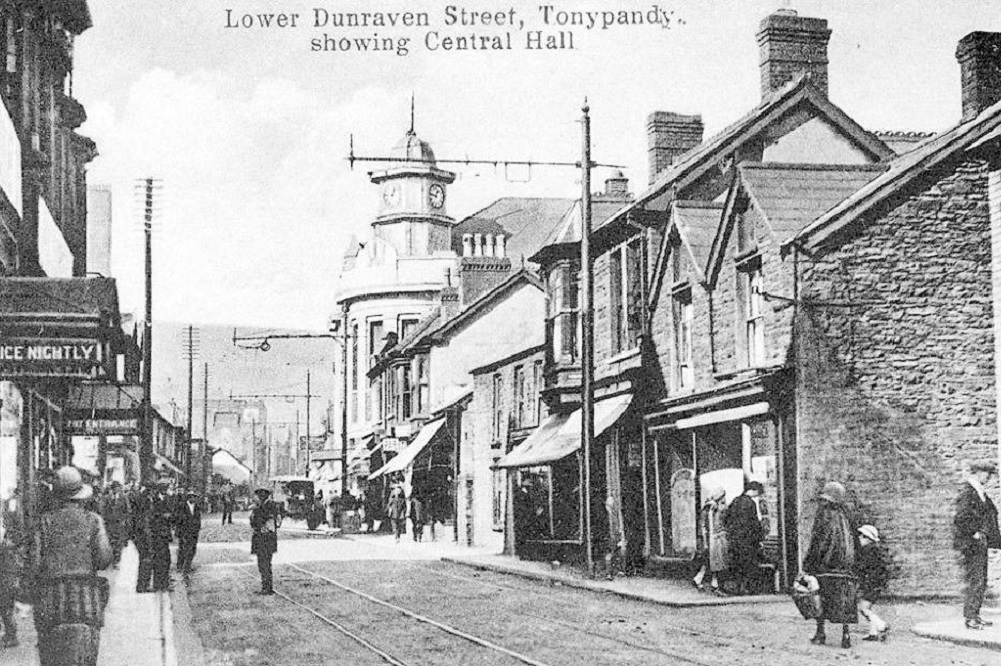
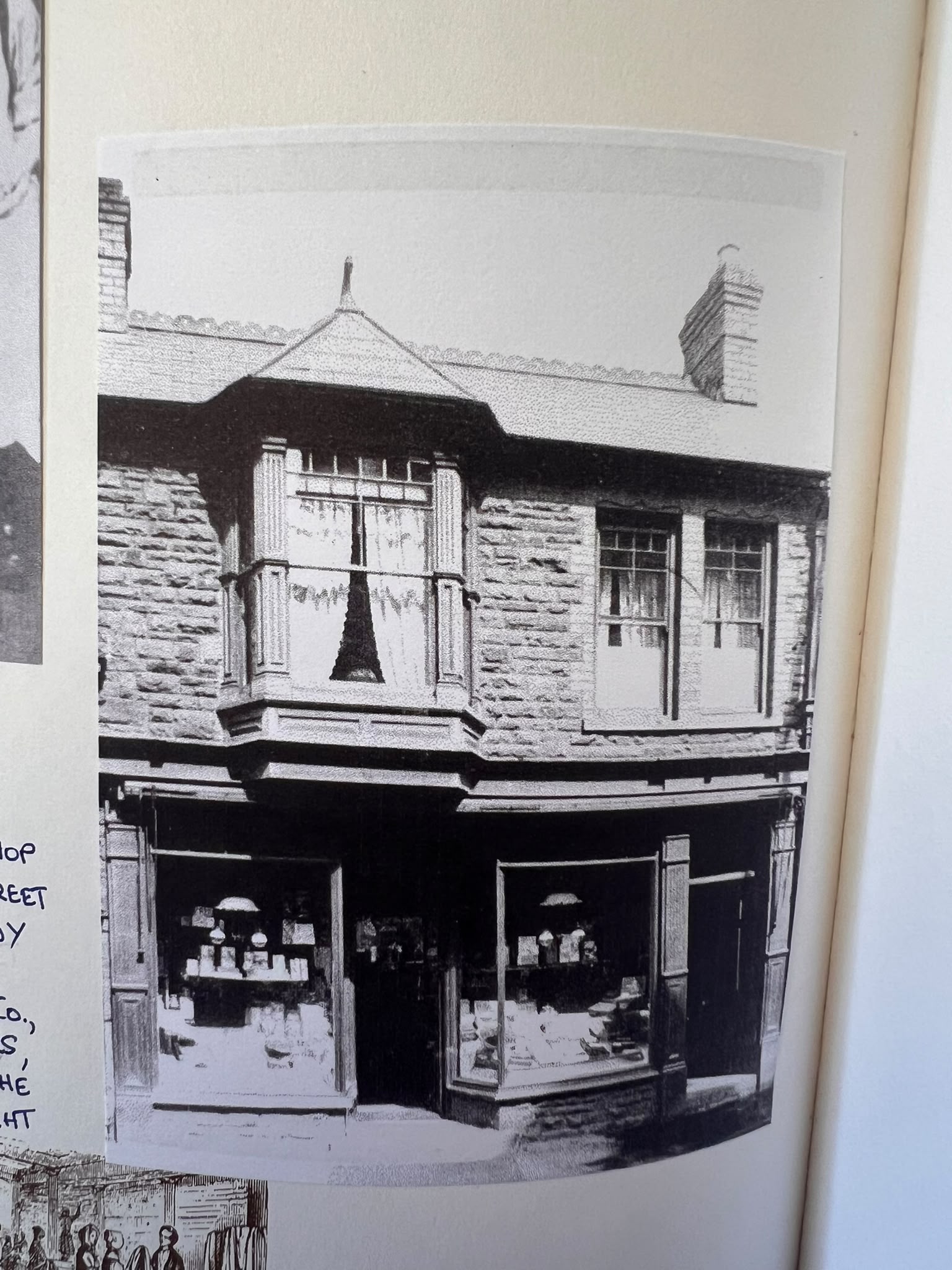
Historic photographs and business records help reconstruct the working life of the Tonypandy printing company.
1969
Robert Davies & Co. moved from Tonypandy to Wattstown and became Glenside Printing. The building provided room for new presses, finishing equipment and the next chapter of the family business.
Craft and machinery
Historic machinery is shown as part of the working story, not as decoration.
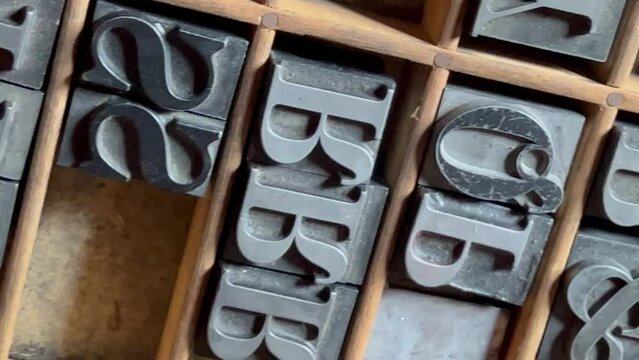
Before Monotype and Linotype came hand composition. Every character was cast individually in a lead alloy and stored in wooden type cases ready to be assembled by hand into words, lines and pages. It demanded patience, accuracy and an understanding of typography that modern technology has largely replaced. Every printed page began with pieces of metal type like these, carefully selected one letter at a time.
A lifetime of practical knowledge preserved on film.
The archive includes machinery that shaped newspaper, commercial and finishing production.
The fifth generation
Born 1966 - joined Glenside Printing in 1984
I don't really remember a time when printing was not part of my life.
Growing up, I spent countless hours watching the lithographic presses running while my father worked. This was before the arrival of our Heidelberg presses. The sound of the machinery, the smell of fresh ink and the rhythm of the pressroom became completely familiar to me.
As I got older, Dad would find practical jobs for me to do. I helped collate printed sheets by hand and fed the booklet stitching machines, learning that every finished booklet depended on care, accuracy and attention to detail. At the time they were simply jobs to help out, but looking back they were the beginning of my apprenticeship.
In 1984, at the age of 18, I officially joined the family business. During the years that followed, I worked alongside my father as the industry evolved from traditional paste-up artwork, process cameras and film assembly to Apple Mac desktop publishing, computer-to-plate technology and today's highly automated Heidelberg and Konica Minolta production presses.
As a young boy I would stand quietly watching the lithographic presses run for hours. At the time I was simply fascinated by the noise and movement of the machines. Looking back now, I realise I was not just watching presses - I was watching my future.
Although the technology has changed beyond recognition, the principles my father taught me have never changed. Quality, craftsmanship, honesty and looking after every customer remain at the heart of everything we do.
Following my father's passing in April 2025, I became custodian of the fifth generation of our family's printing business. It is now my privilege to continue a tradition that began almost two centuries ago.
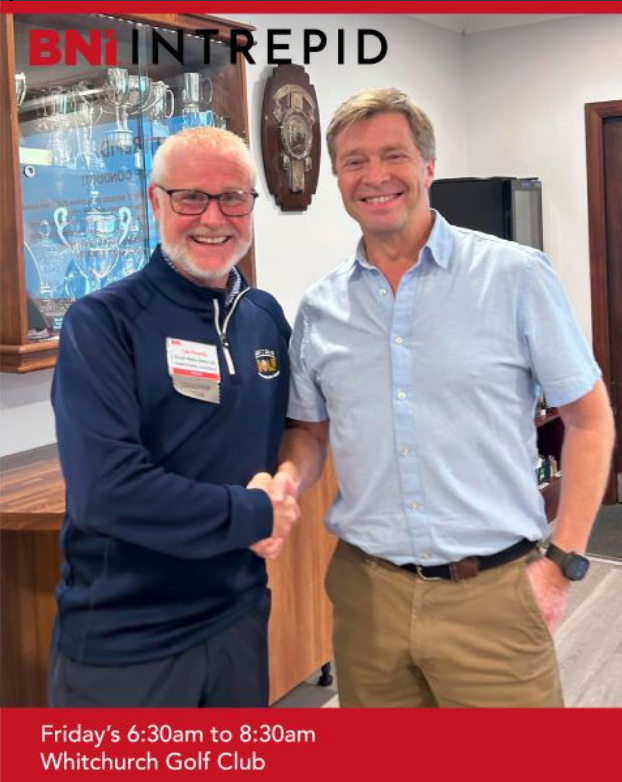
2026 - Coming Full Circle
Continuing a relationship that spans generations.
Glenside Printing's connection with BNI goes back many years. Glyn Davies was a proud member of the BNI Intrepid Chapter in Cardiff for more than 20 years, building friendships and business relationships that lasted for decades.
Jonathan was also previously a member of the Evan James Chapter in Pontypridd, making BNI very much a part of the wider Glenside story.
Today, as the fifth generation of the family business, Jonathan has returned to BNI Intrepid - the same chapter that meant so much to his father.
Weekly meetings bring together like-minded business owners and professionals to build trusted relationships, understand each other's businesses and generate quality referrals and new opportunities. For Glenside, it is another way of strengthening our place within the South Wales business community and introducing more businesses to what a knowledgeable, experienced local printer can offer.
Five generations. One family. Printing since the 1860s.
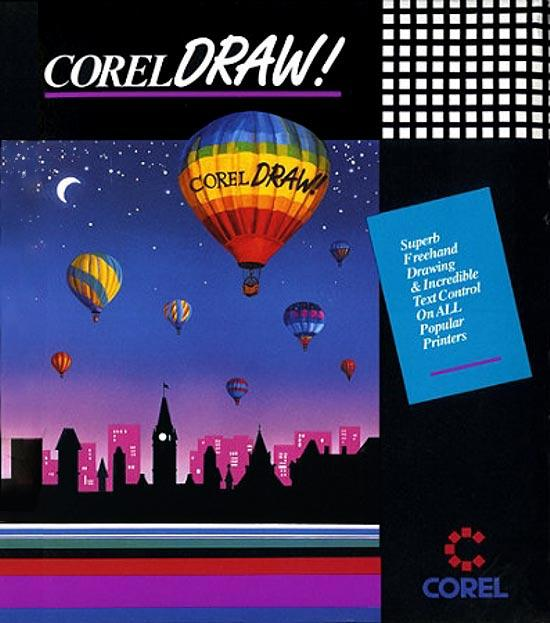
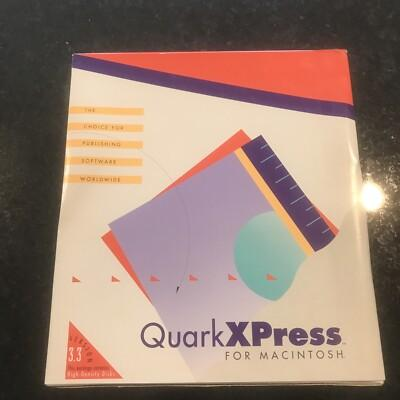
CorelDRAW and QuarkXPress - two of the tools that helped transform Glenside's pre-press department during the desktop publishing revolution.
The digital turning point
In the mid-1980s, Apple's Macintosh transformed the printing industry. For Glenside, it opened a new era in which typography, illustration and page layout could be created on screen before being prepared for professional printing.
We embraced the technology while holding firmly to the principles that had always mattered - good typography, careful planning and meticulous craftsmanship.
Tools of the Trade
The evolution of printing through one family's experience. These were not museum pieces to us. They were the tools that shaped generations of printers at Glenside.
01
Turn of the twentieth century
Linotype transformed printing by casting complete lines of type from molten metal. It was one of the most complex and remarkable machines ever introduced into a print works.
My father was first and foremost a Master Printer. His engineering ability developed from a lifetime spent understanding printing machinery, how it should perform and what it was telling him when it did not. He could often diagnose a fault simply by listening to a machine and understanding what needed to be repaired.
When Linotype could not get an engineer to another printing business quickly enough, my father was sometimes called upon to dismantle, rebuild and recommission the machine so production could continue.
It has always made me smile that this film was recorded in Italy. My father loved Italian engineering and design, particularly Alfa Romeo. Our Fiat Doblo delivery van is a small nod to that lifelong admiration.
See the Monotype in actionThis museum demonstration shows the keyboard, punched paper tape and casting process at work.
02
British-manufactured hot-metal composition
British engineering at its finest
Where Linotype cast a complete line of type as one solid slug, Monotype produced each character individually. This gave compositors far greater freedom when making corrections and made the system especially valuable for books, detailed commercial work and fine typography.
The process used two separate machines. The Monotype Keyboard punched a coded paper tape as the operator typed. That tape was then taken to the Monotype Caster, which read the instructions and cast the individual letters from molten type metal before assembling them into justified lines.
The original system was devised by Tolbert Lanston in America, but its celebrated British machines were developed and manufactured by the Monotype Corporation at Salfords in Surrey. They became a defining part of British book and commercial printing.
The caster read the punched tape backwards. This allowed it to receive the line-justification instructions before casting the first character.
The Davies family and Monotype
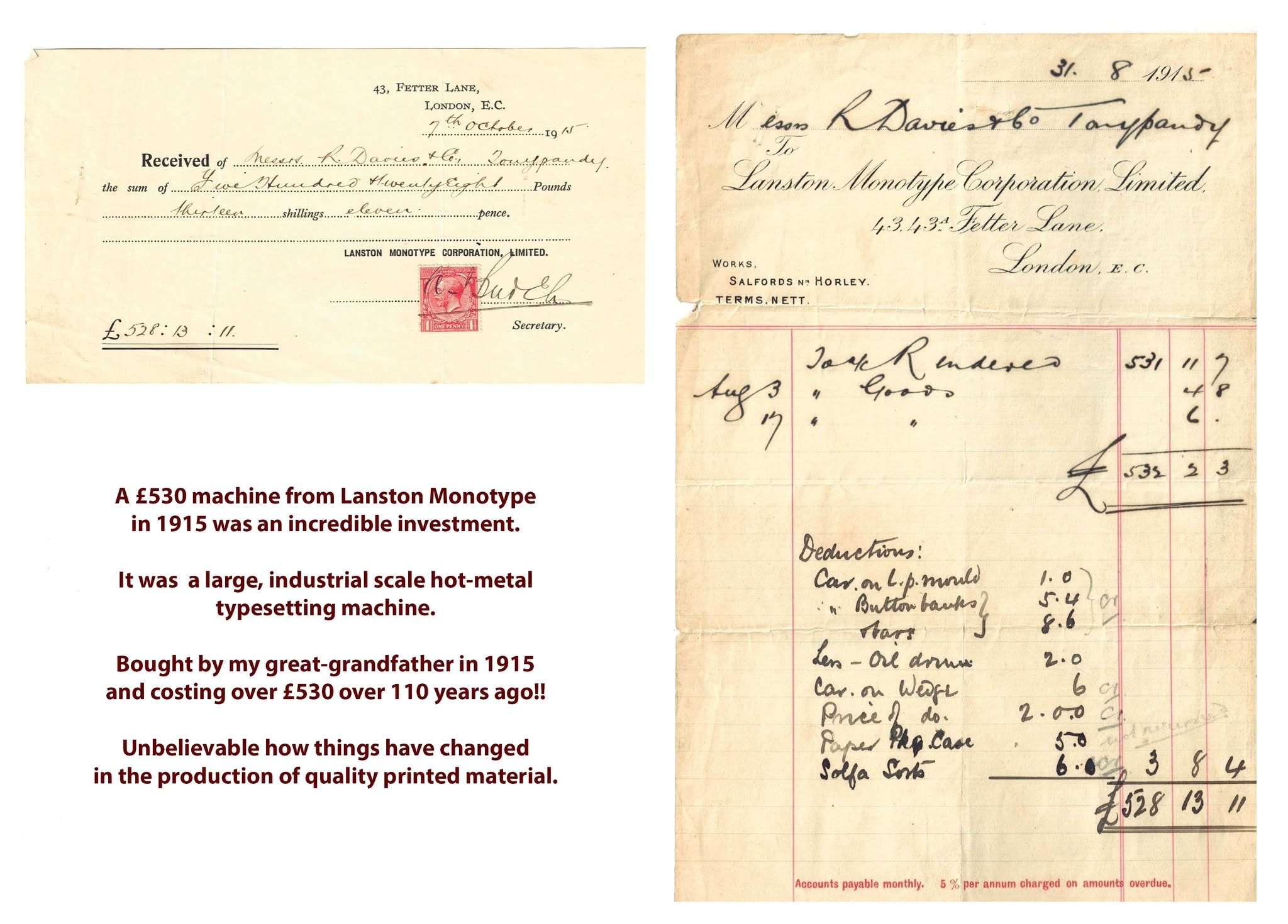
At Robert Davies & Co. we used both Linotype and Monotype machines over the years. The surviving invoice in the Glenside Archive records the purchase of a Monotype machine by my great-grandfather.
My father, Glyn Davies, was excellent on both systems, but Monotype was his true speciality. He understood the keyboard and caster in extraordinary depth and became a total expert in setting, operating, maintaining and repairing these remarkable machines.
For him, Monotype brought typography and engineering together. It demanded concentration, patience and an instinctive feel for machinery that could only be acquired through years of experience.
“The Monotype wasn't simply a machine - it was one of the finest pieces of engineering ever built. Watching molten metal become perfectly formed letters, one character at a time, never lost its magic.”
Jonathan
Printing for Britain
By the 1960s, Robert Davies & Co. in Tonypandy had become one of South Wales' most respected commercial printers. Alongside work for local businesses and organisations, the company undertook substantial contracts through Her Majesty's Stationery Office in Cardiff, producing millions of Inland Revenue forms distributed throughout Britain.
The most memorable involved approximately four million Inland Revenue forms. The exact form numbers have unfortunately been lost to time, but the finished work was packed onto pallets and collected by articulated lorry for delivery to Blackpool.
Only one lorry arrived at a time. I was probably only three or four years old, but the sight of such a large vehicle collecting pallets of work from the old Tonypandy works left a lasting impression.
The accompanying photograph is an illustrative period reconstruction and is not presented as the original Robert Davies & Co. delivery.
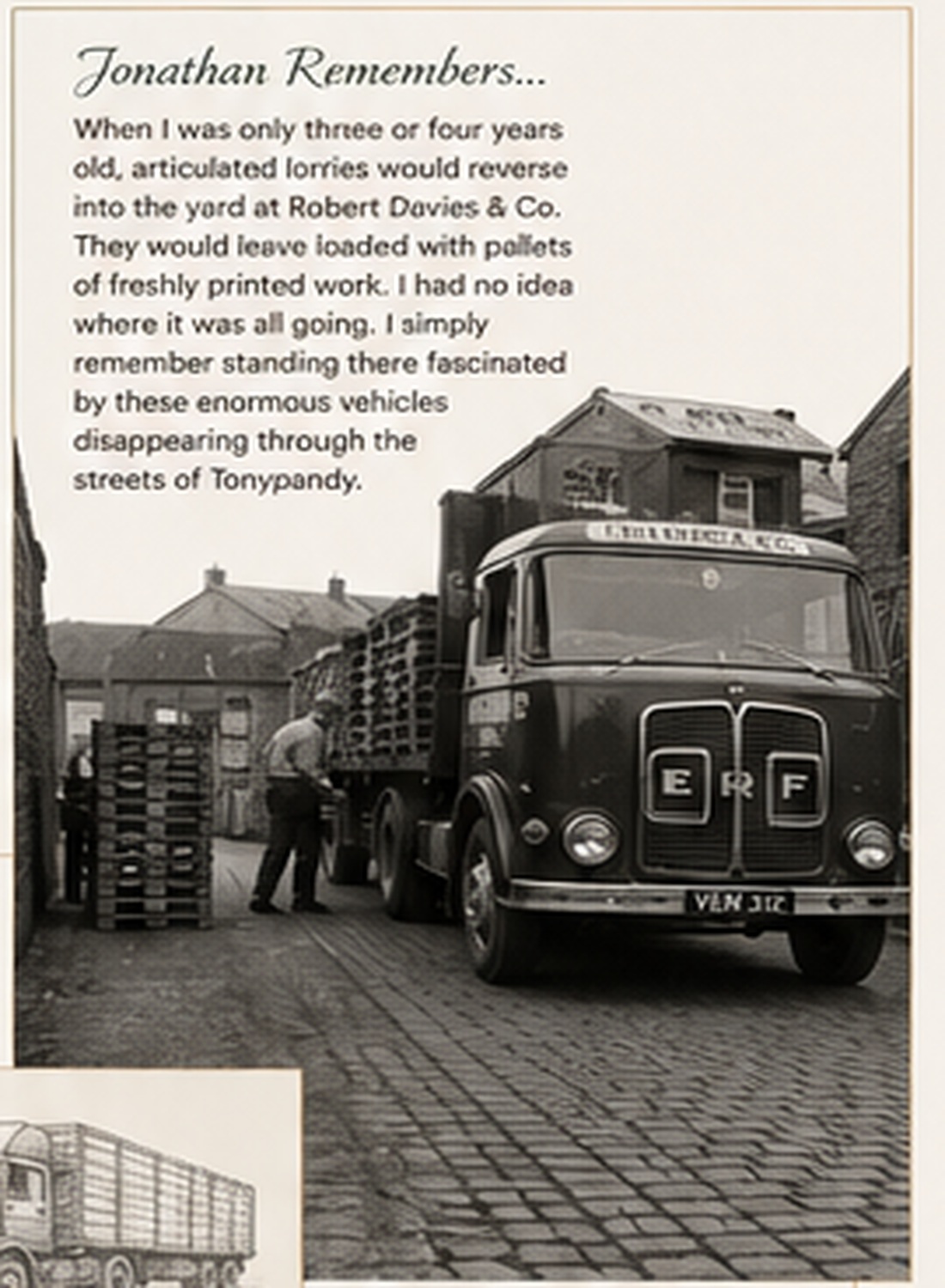
Jonathan remembers...
My brother and I used to play in the mountains of small paper offcuts trimmed from the printed sheets before the jobs were packed and delivered. To two young boys, the finishing room felt like the greatest playground imaginable.
Once the fun was over, the guillotine waste was swept through a square opening in the floor - about two feet by two feet - into the room below. There it was compressed into tightly packed bales ready for collection.
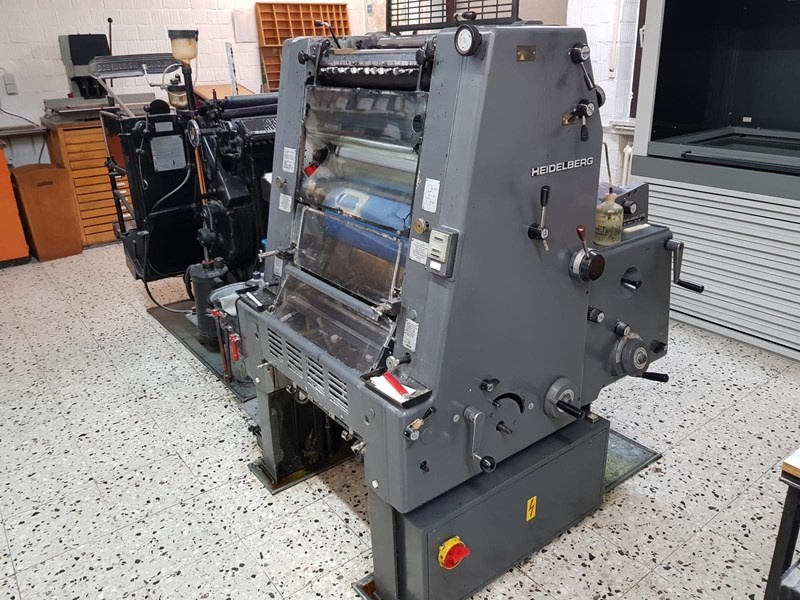
The Second Revolution
From Letterpress to Lithography
By the late 1960s, printing was changing rapidly. Traditional letterpress composition and production were giving way to offset lithography, with new methods of preparing artwork, photographing originals, assembling film and producing printing plates.
The change coincided with our move from Tonypandy to Glenside in 1969. It marked more than a change of address - it was the beginning of a new technological chapter for the family business.
As the 1960s drew to a close, offset lithography was replacing traditional letterpress. For our family, that technological revolution also meant a new home - Glenside.
The craft of pre-press
With the move into lithographic production, the artwork department became the starting point for almost every printed job. Text, photographs, logos, rules and illustrations were cut, aligned and mounted onto artwork boards before being photographed in the camera room.
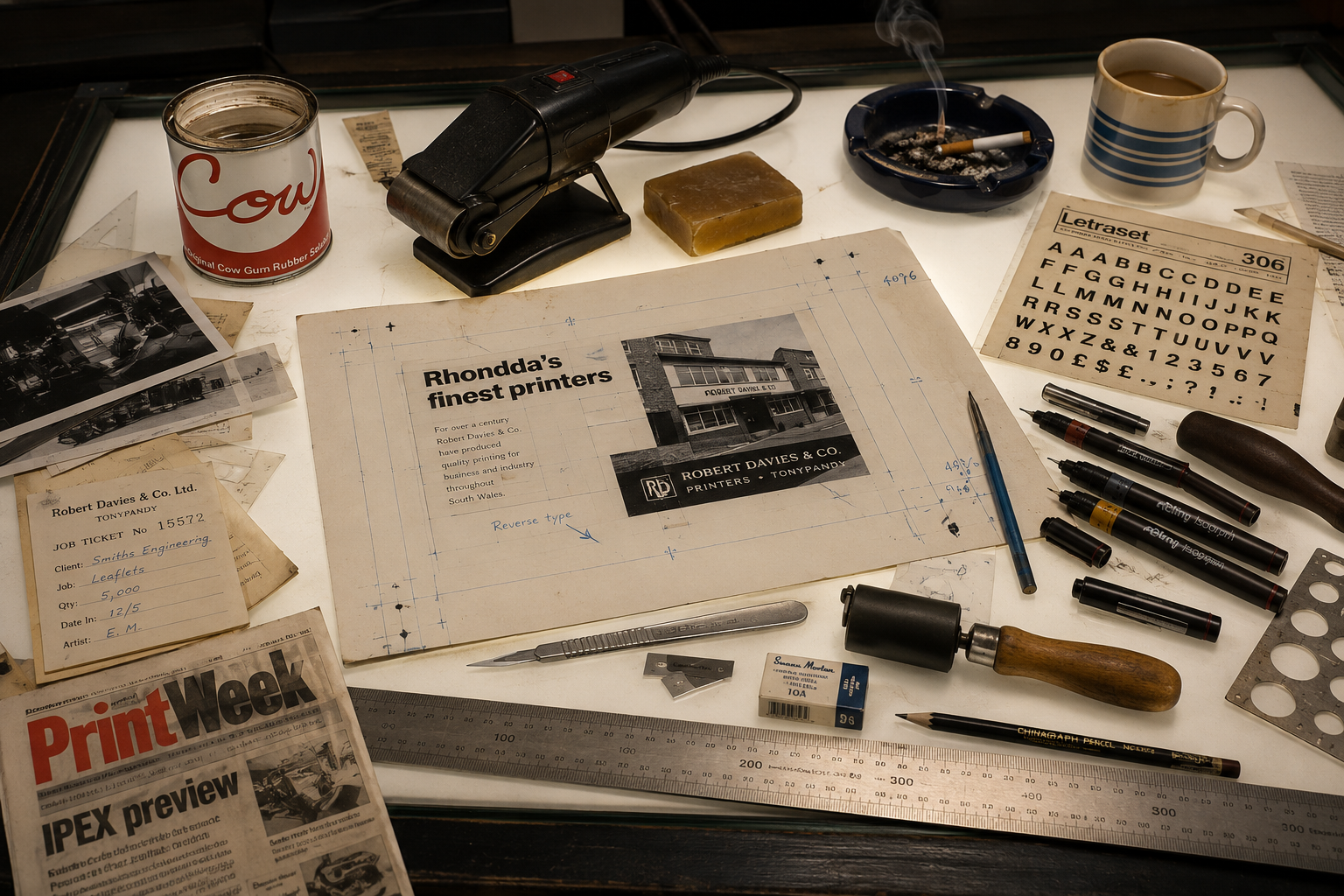
03
The lithographic pre-press department
Every page began here.
Before Apple Macs, every leaflet, brochure, letterhead and advertisement passed across an illuminated artwork bench like this one. Headlines were trimmed with scalpels, bromides waxed by hand and burnished into position before complete pages were photographed to produce film for plate making.
The wax was applied using an electrically heated hand roller. Blocks of wax melted inside the machine and, as the roller passed over the reverse of the bromide, it left a thin wax coating ready for paste-up. The copy was then pressed firmly into position using a wallpaper seam roller.
Rotring pens, steel rules, set squares and Letraset were everyday tools. The work demanded patience, precision and a good eye for typography. There was no Undo button. Every correction meant lifting the artwork, re-waxing the copy and positioning it again by hand.
This was pre-press. This was preparation. This was where printing began.
The image is a carefully reconstructed working artwork bench based on Jonathan's own experience of commercial pre-press during the 1970s and 1980s.
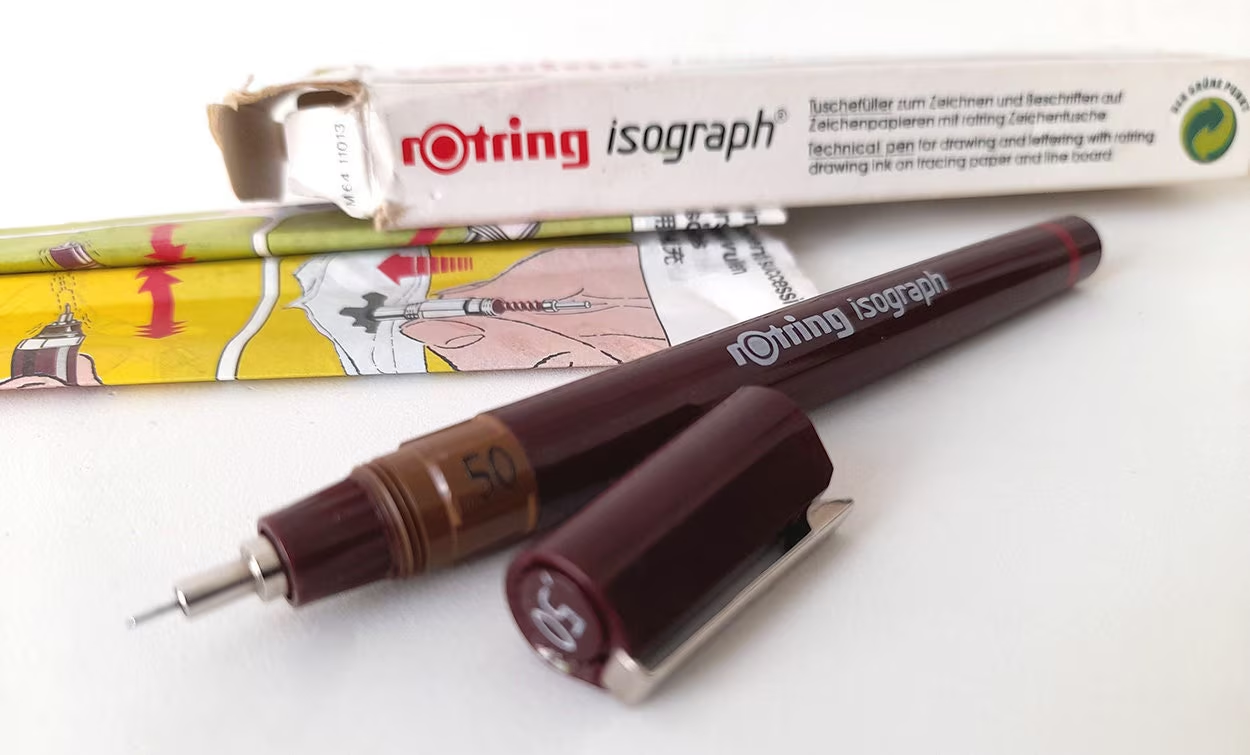
04
Every rule was hand drawn using different nib sizes to create different line weights. Every border, keyline and crop mark demanded precision and a steady hand. These were tools of my trade.
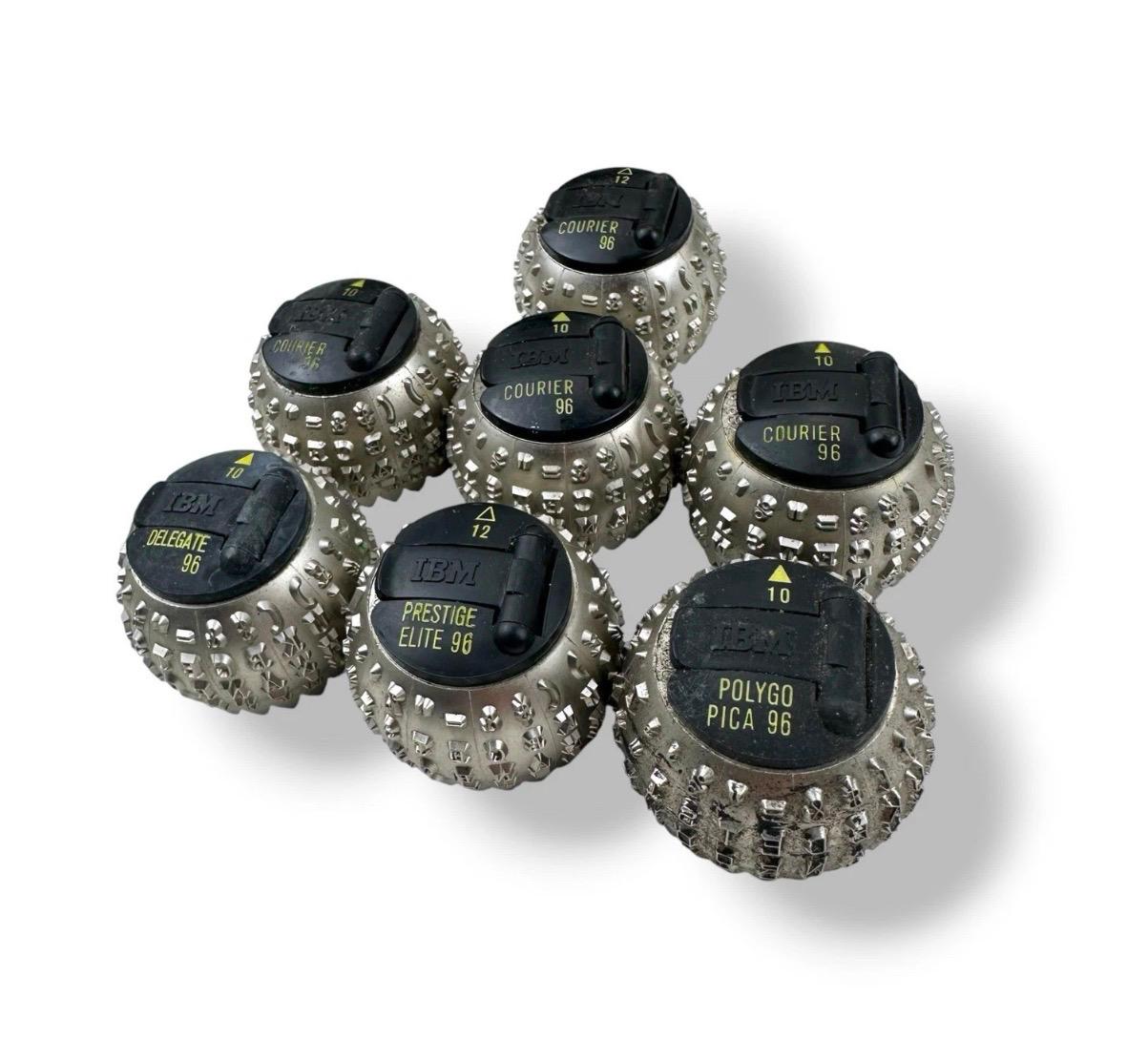
05
The interchangeable typing element allowed different typefaces and character sets to be used on the same machine. Its engineering was ingenious and it became an important bridge between ordinary typing and professional typesetting.
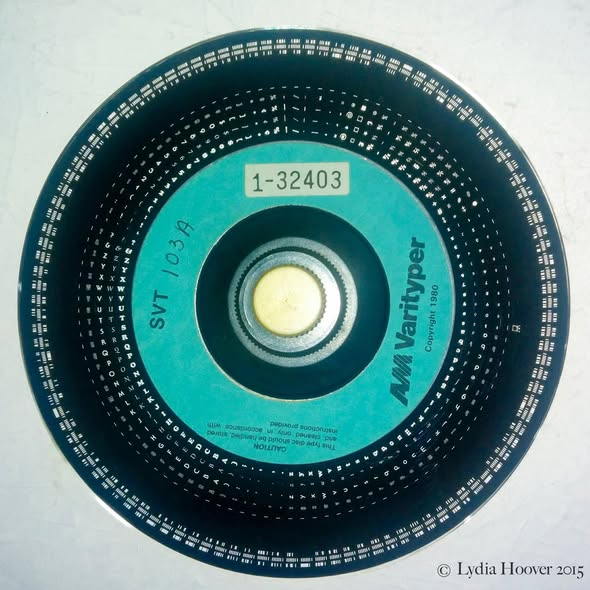
06
Varityper systems helped move commercial composition away from hot metal and towards phototypesetting. Type could be produced more flexibly and prepared for paste-up before camera work and plate making.
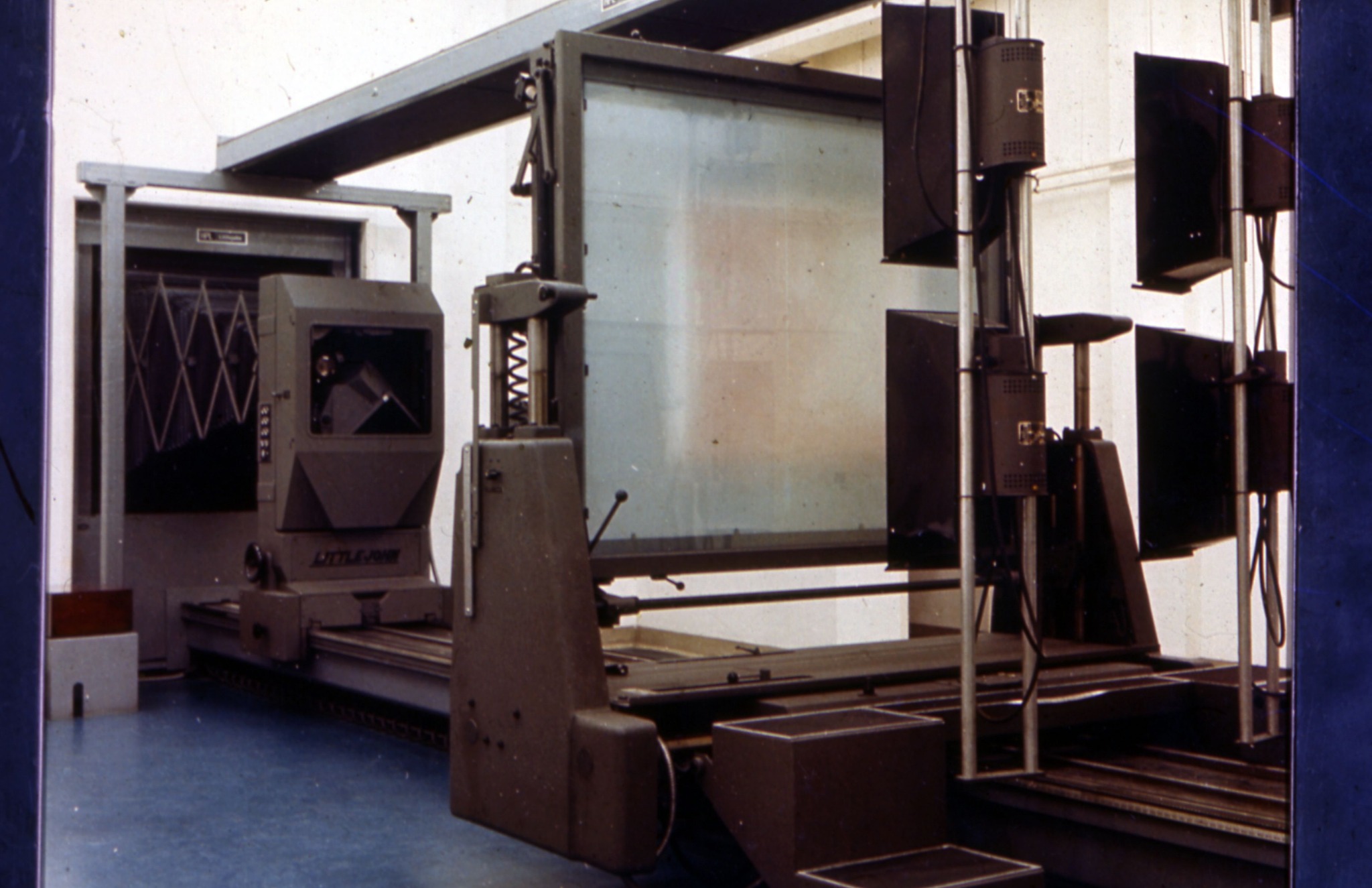
07
Artwork was photographed to create high-contrast film for plate making. The Littlejohn was a substantial piece of equipment and demanded careful exposure, accurate positioning and meticulous darkroom work.
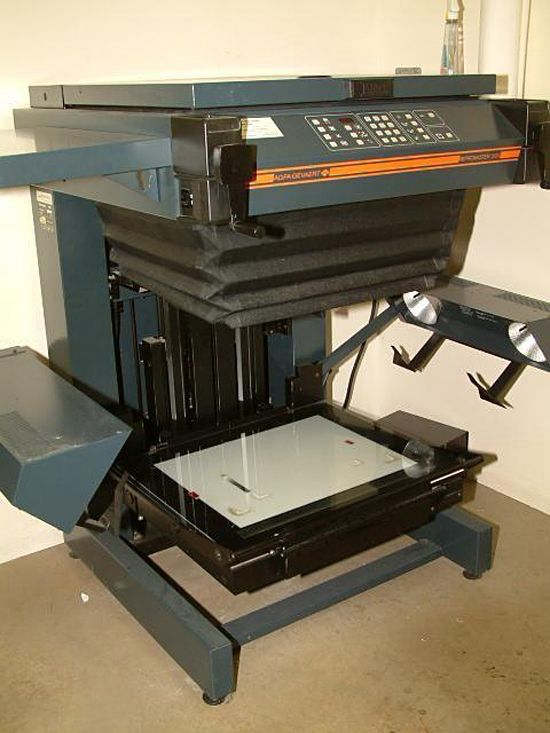
08
Earlier reprographic process cameras were commonly arranged horizontally, with a long optical bed separating the artwork copy board from the unexposed film. That arrangement occupied a considerable amount of valuable floor space. The Eskofot used high-quality wide-angle process lenses, allowing the distance between the original artwork and the film plane to be reduced dramatically. This made it possible to arrange the camera vertically, retaining the precision needed for photographic reproduction while using a much smaller footprint. For a busy commercial printworks, it was an important improvement in both image quality and the efficient use of space.
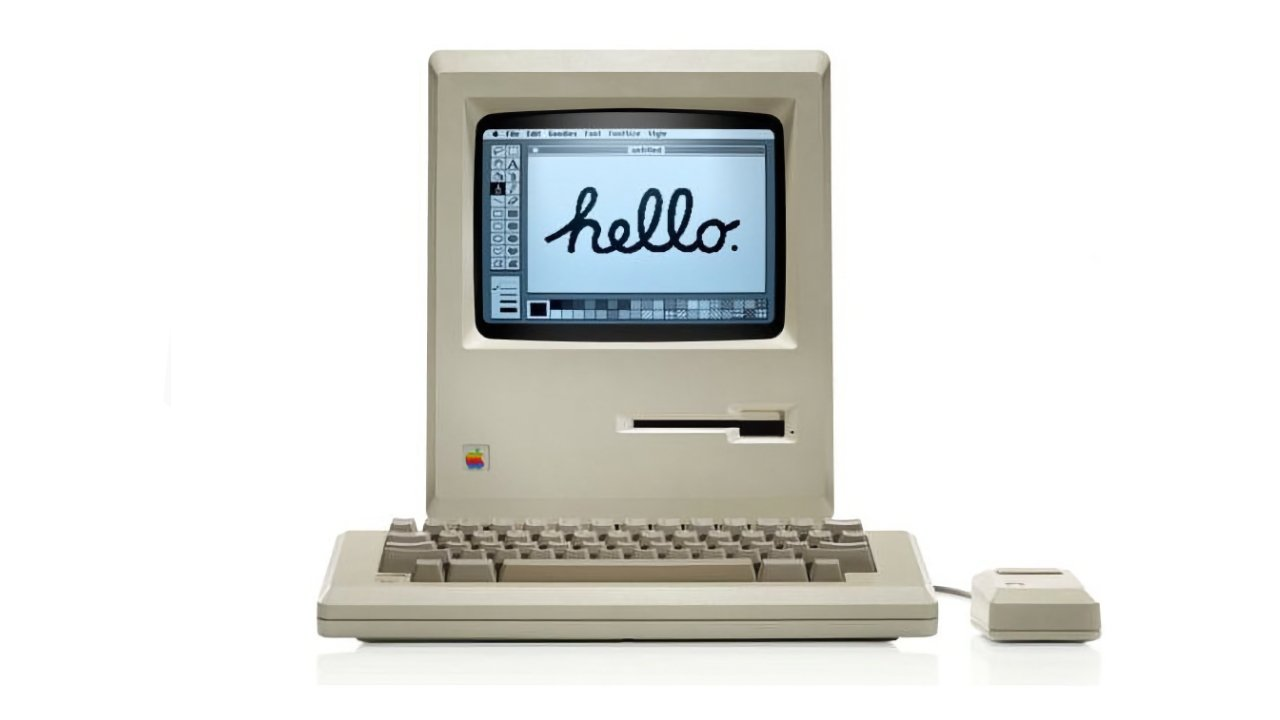
09
The arrival of desktop publishing transformed artwork production. Pages that once required scalpels, Cow Gum, technical pens and camera work could now be assembled digitally with far greater speed and flexibility.
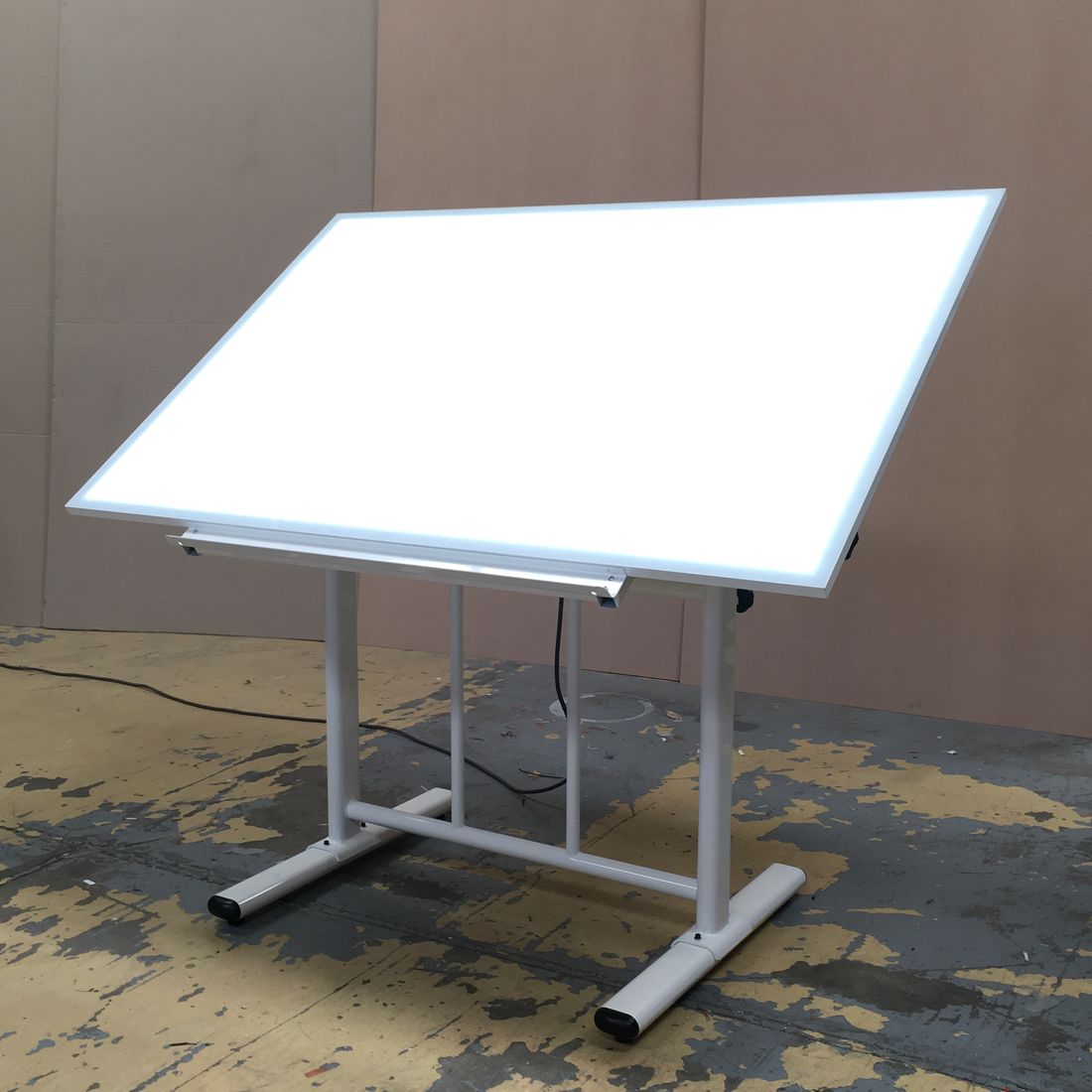
10
The illuminated surface allowed artwork, overlays, registration marks and film to be aligned and checked before going to camera or plate. It was often the final inspection point before production moved on.
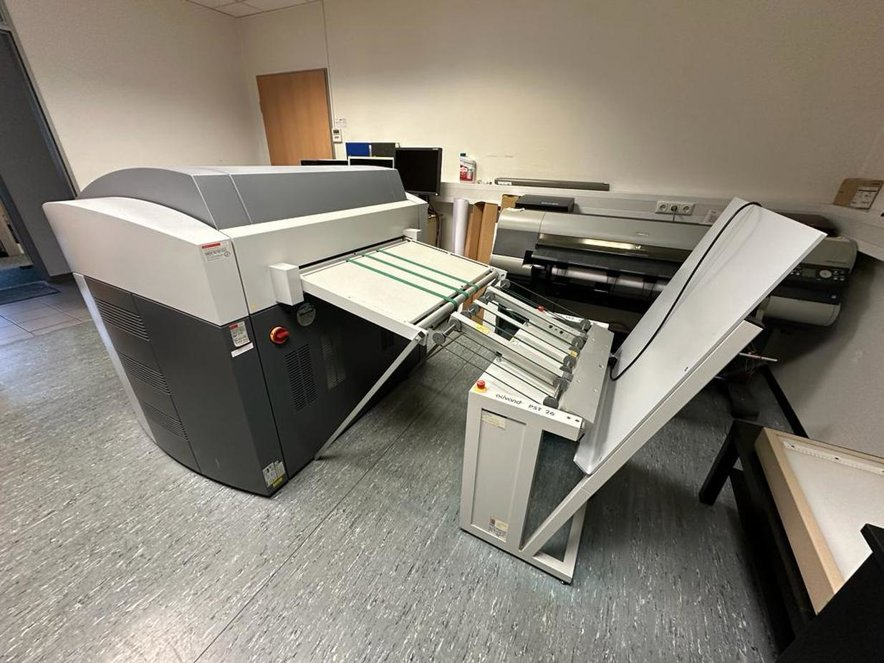
11
Computer to Plate technology removed the need for photographic film and allowed digital artwork to be written directly onto lithographic plates with exceptional accuracy.
Our Heidelberg Suprasetter brought chemistry-free plate production, reduced waste and improved consistency while preserving the judgement and care expected in every stage of pre-press.
The tools changed with every generation. Some disappeared completely and others became digital, but every advance was embraced for one reason - to produce better printing.
The changing workplace
Printing was once a far more hazardous industry than it is today. Molten lead was an everyday part of hot-metal typesetting, while photographic darkrooms relied on powerful chemicals for film processing. In the pressroom, solvents such as methyl ethyl ketone and trichloroethylene were routinely used to clean machinery, rollers and printing equipment.
The distinctive smells of hot lead, printing inks, darkroom chemicals and industrial solvents are memories that will remain with me forever. At the time, they were simply accepted as part of working life. Ventilation, protective equipment and environmental controls were very different from the standards we rightly expect today.
Modern printing is a much healthier and more carefully managed industry. Chemistry-free plate production, safer cleaning products, improved ventilation, rigorous health and safety procedures and responsible waste management have transformed the working environment while significantly reducing harmful exposure and environmental impact.
The craftsmanship, pride and attention to detail remain exactly the same. Thankfully, the workplace itself has changed beyond recognition.
2020
The installation of the five-colour Heidelberg Speedmaster continued a pattern visible throughout the company’s history: embracing better technology without compromising established standards.
View the installation feature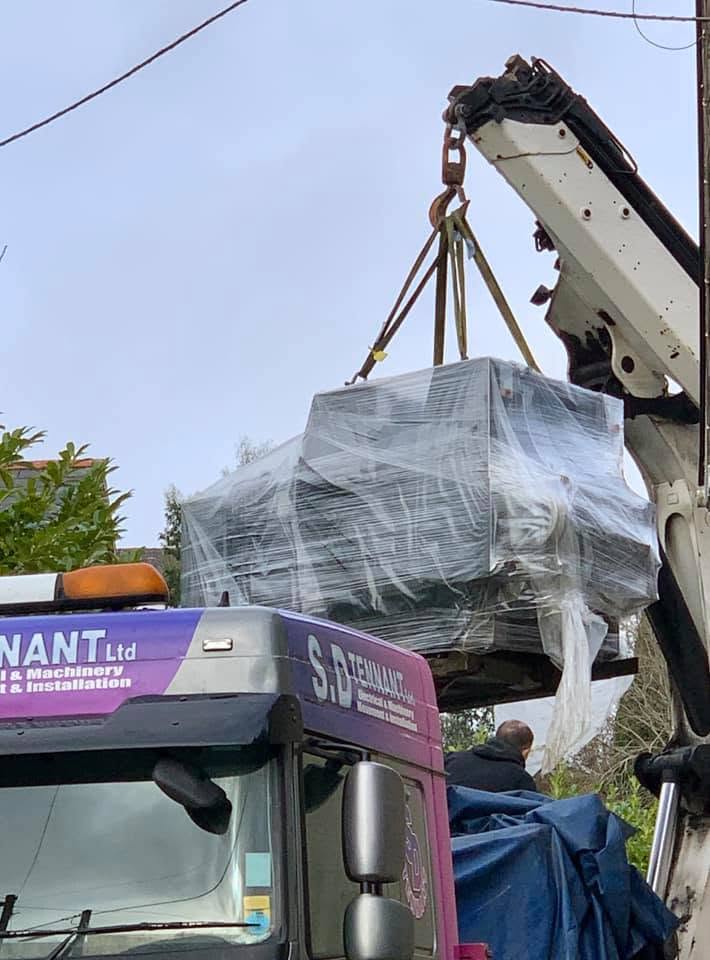
Installation timelapse
The arrival and installation of the five-colour Heidelberg Speedmaster marked one of the most significant investments in Glenside's modern history.
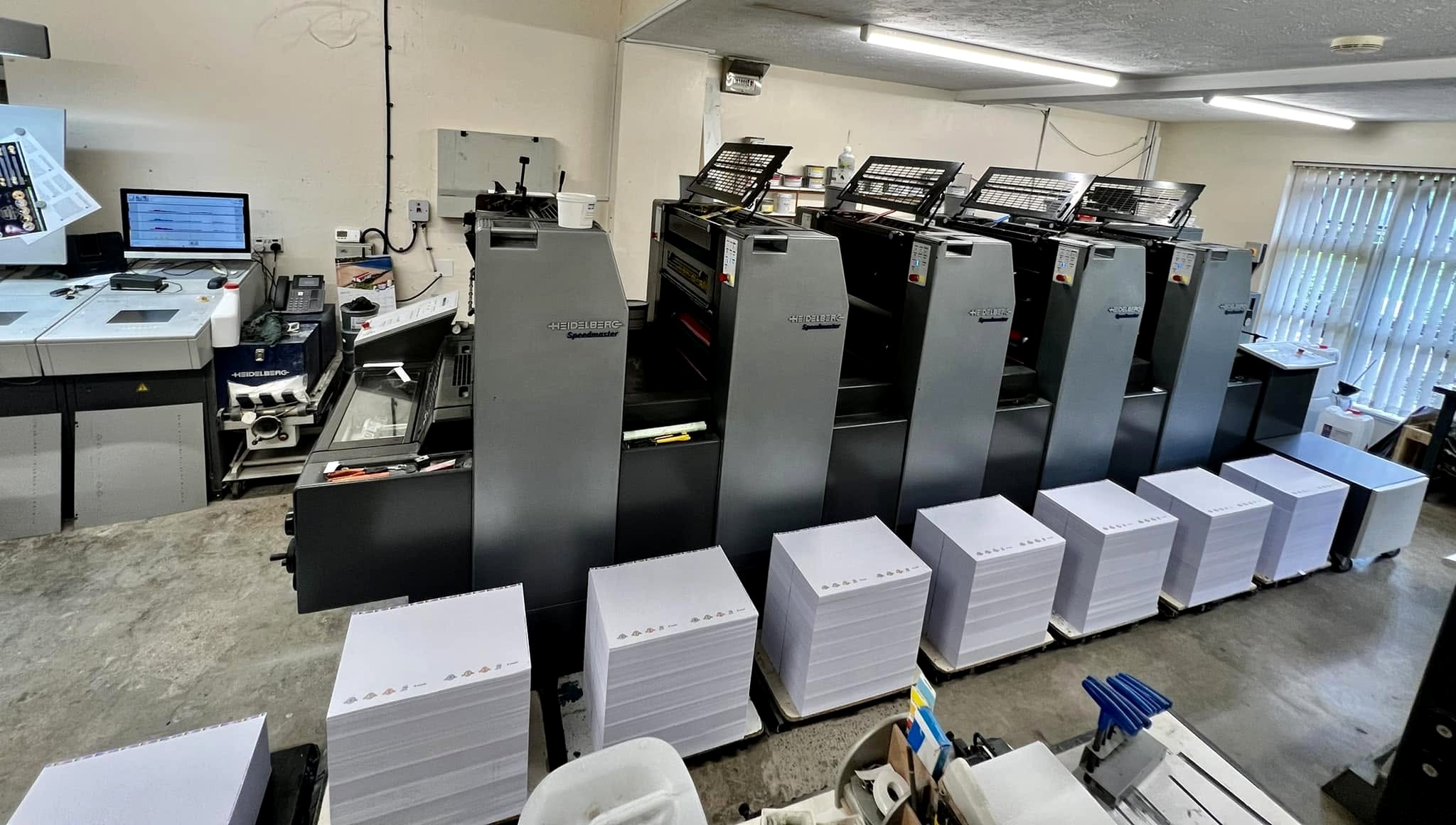
Installing the Future
The installation brought together decades of experience with the precision and productivity of modern five-colour lithography.
The archive continues
As new photographs, documents and memories are discovered, they will be added so that the story continues for future generations.
Easter 2025
Easter is traditionally a time to pause. A chance to spend time with family and step away from work for a few days. On Thursday, my father was exactly where he wanted to be - standing beside his beloved Heidelberg Platen, die-cutting or creasing another customer's job so it would be ready on time. The following day was Good Friday. For most people it was a day of rest.
Not for my Dad.
He came into the office, answered the telephone, prepared quotations for customers and talked about the next jobs that were due in after the Easter weekend. He was still looking ahead, still planning and still thinking about the business he loved. He never retired. He never wanted to. Printing was never simply his profession - it was part of who he was.
Surrounded by those that loved him the most, he passed away peacefully on Saturday, 19 April 2025.

A dedication
This archive has been created with love, gratitude and respect. It is dedicated to my father, Glyn Davies, to the generations who came before him and to everyone who believes that craftsmanship is measured not only by what we make but by what we pass on.
It preserves far more than presses, type and paper. It preserves experience.
It records the judgement that comes only through years spent beside machines - knowing instinctively why one is running differently, understanding what needs to be repaired before it fails and taking pride in solving problems that no instruction book could ever teach.
It is also a tribute to the engineers, compositors, machinists, finishers and printers whose knowledge was earned through years of dedication. Men and women who understood their craft so completely that they could often diagnose a fault simply by the sound of a machine or the feel of a sheet passing through a press. That knowledge cannot be replaced. It can only be passed from one generation to the next.
My father was first and foremost a Master Printer. His engineering ability grew from decades spent understanding how printing machinery worked, how it should perform and what it was telling him when it did not. Whether rebuilding Linotype casters, repairing printing presses or helping another printer back into production when an engineer could not arrive in time, he believed that experience carried a responsibility to help others. That philosophy shaped Glenside Printing and continues to guide it today.
As the sixth generation has yet to write its own chapter, this archive is my way of ensuring that the knowledge, values and pride of the generations before us will never be forgotten.
Jonathan Davies Fifth-generation printer
The presses changed.The standards did not.
Nearly two centuries of printing knowledge,delivered with today's technology.
Start Your Story With Glenside