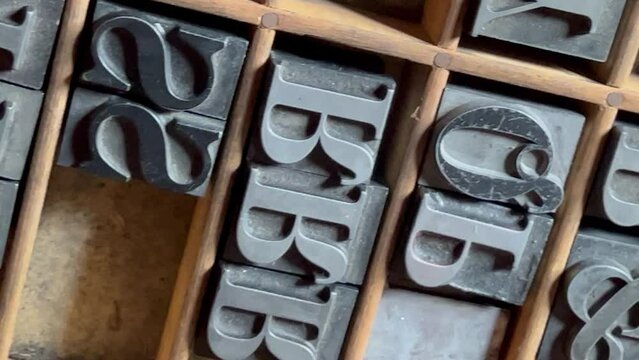
Lead type
Each reversed character was selected by hand and assembled into a composing stick before being transferred to a galley. Glyn could read mirrored type as naturally as ordinary print.

A living archive
A living archive of five generations of printing craftsmanship.
Every building has walls.
Some are fortunate enough to hold nearly two centuries of stories.
“The customer only sees the finished sheet. Everything else is our responsibility.”
A philosophy that has guided Glenside Printing for generations.
01
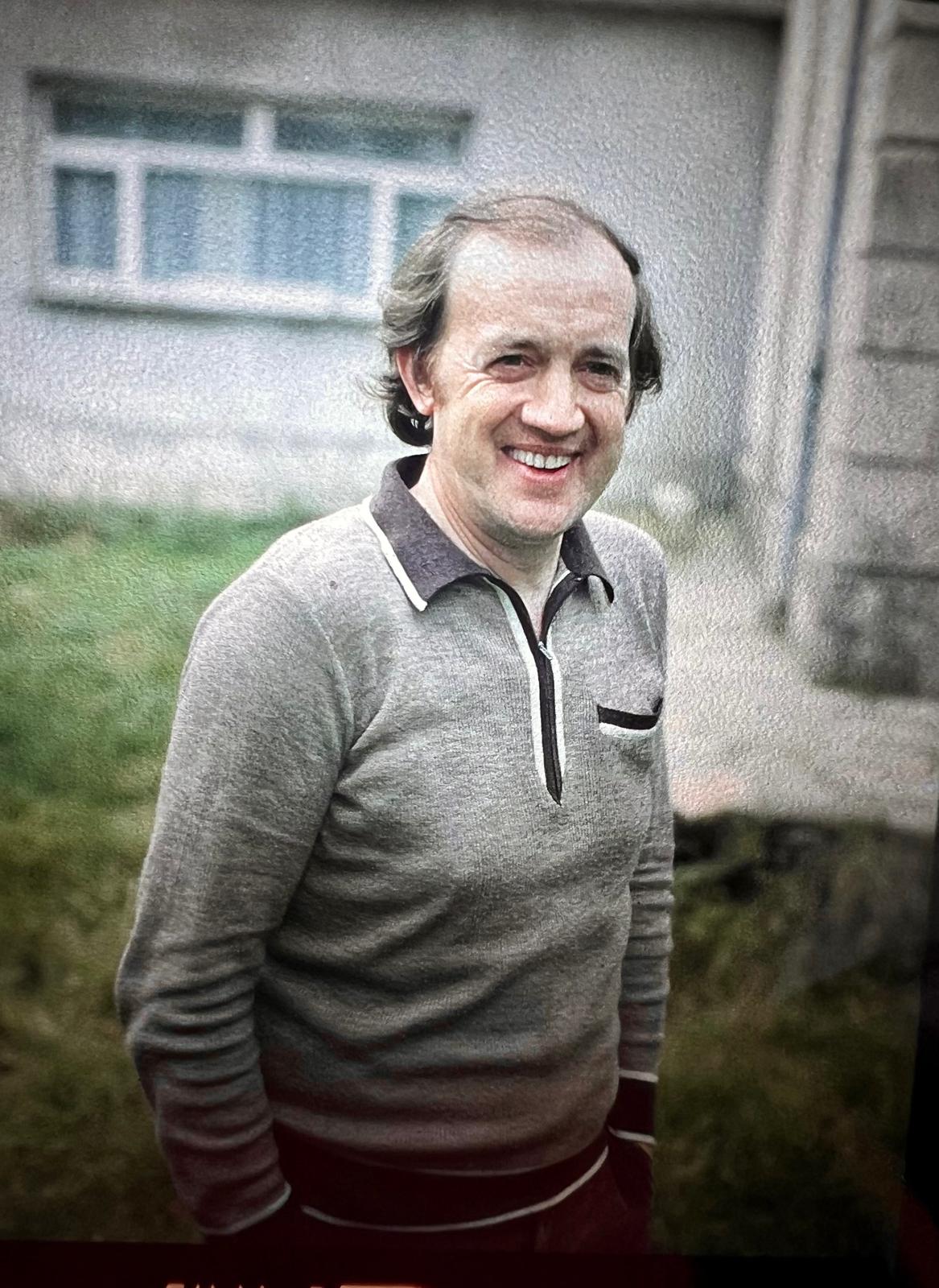
The man who taught me
Every skill I possess today began with him. He taught me pre-press, press work, typography, colour, machinery and the discipline of checking every detail before a job left the building. He also taught me how to maintain and repair our machines wherever possible. He was virtually an engineer, with an instinctive understanding of how machinery worked and how to keep production moving.
He did not simply teach me how to operate equipment. He taught me why every stage mattered and why pride had to be built into the job from the very beginning.
He taught me how to print. More importantly, he taught me why it mattered.
Archive integrity
Family photographs and confirmed Glenside material are identified where known. Images are used to illustrate the people, machinery and processes described in the Archive. Specific credits are included where required or where material has been supplied by another collection.
02
Learning the craft
Typography was physical, photographic and exacting. Every stage demanded patience and a trained eye.
Each reversed character was selected by hand and assembled into a composing stick before being transferred to a galley. Glyn could read mirrored type as naturally as ordinary print.
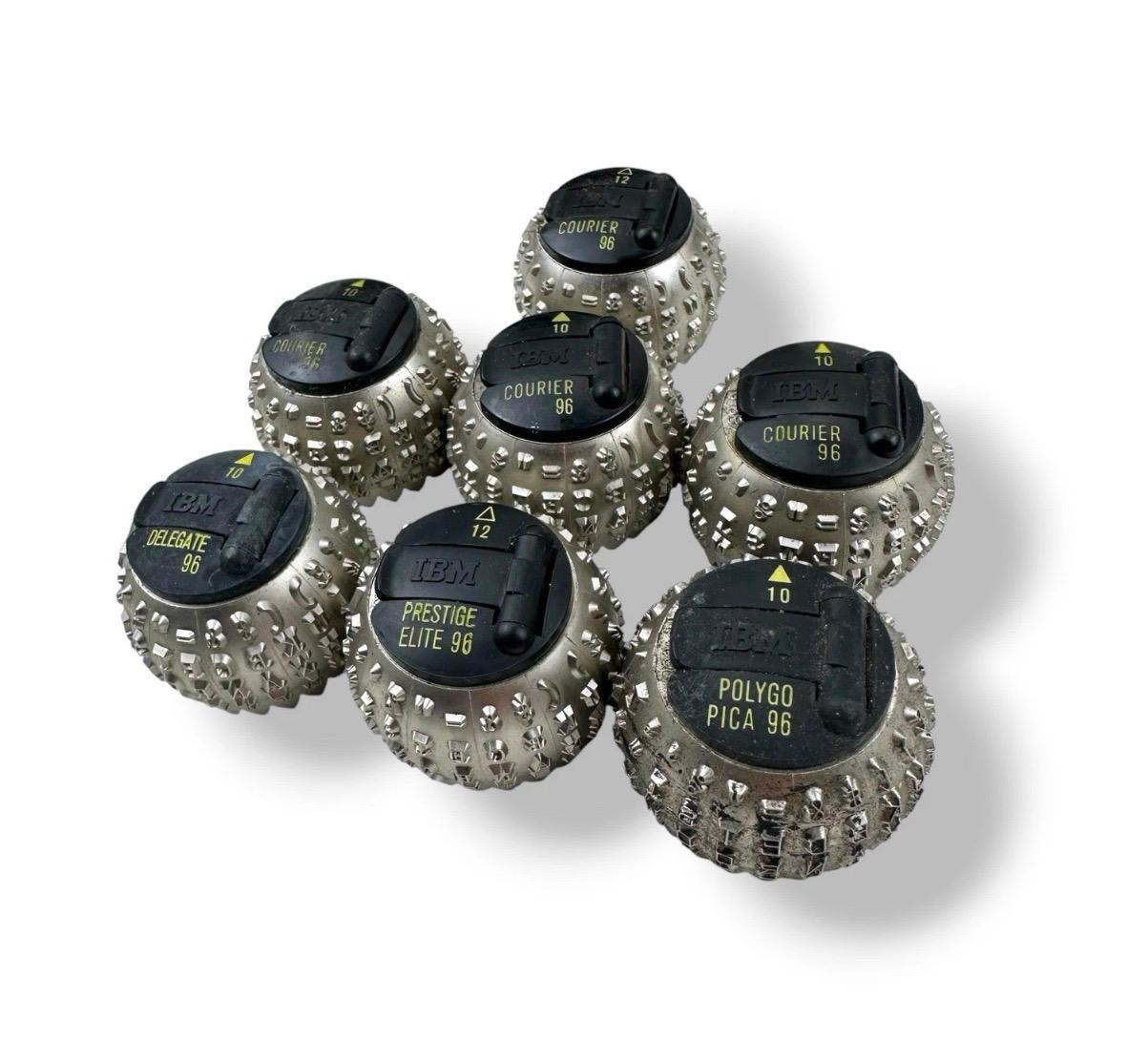
Hundreds of interchangeable “golf balls” gave us access to different typefaces, pitches and specialist characters long before digital font menus existed.
In the red-lit darkroom, headlines were exposed letter by letter onto photographic paper. A memory band helped us judge the space between characters by eye.
Separate keyboard consoles punched paper tape. The tape ran spool to spool through the orange and white Harris, where a font disc exposed type onto eight-inch photographic paper.
The exposed roll was developed under red safelight in a triangular Camco processor with developer, fixer, water wash and drying stages. Our processor was purchased from the Laura Ashley in-plant print department at Carno in Mid Wales.
Finished galleys were cut, waxed and assembled by hand. Good spacing, alignment and page balance depended on judgement rather than software.
03
The camera room
Our two-room Littlejohn galley camera used four enormous halogen lamps on the copy board. In the darkroom, the film was held perfectly flat against a vacuum-backed swing door before exposure.
Once developed, the film was inspected and dust spots were painstakingly painted out using plum-red opaque paint. Clear acetate overlays were punched onto a Protocol pin system and masked with ruby self-adhesive film for precise multiple exposures onto lithographic plates.
The completed film was positioned in a Parker flip-top vacuum frame and exposed under ultraviolet light. Registration was unforgiving; the smallest movement could be seen on press.
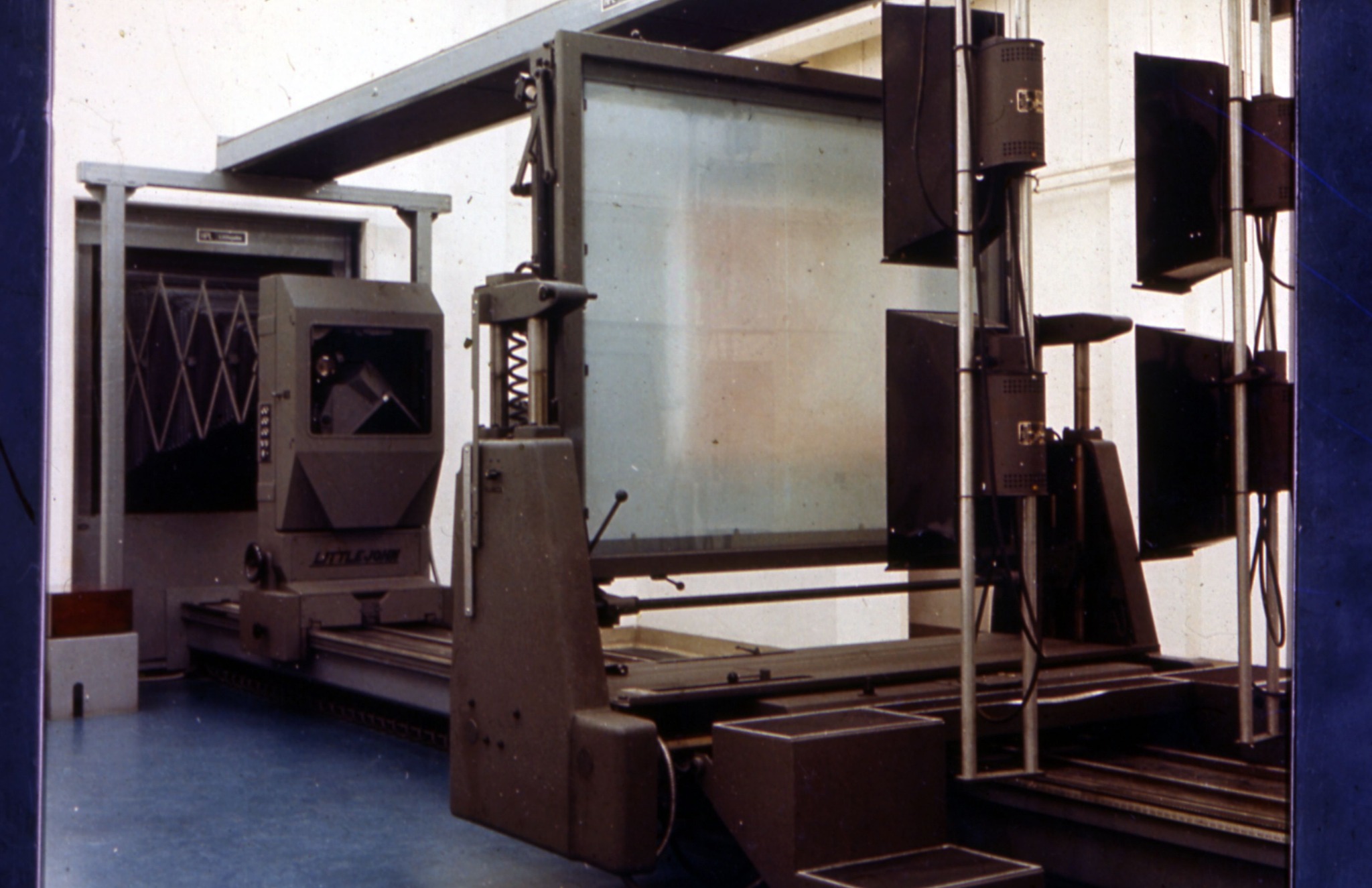
Desktop publishing did not replace our skills; it saved hours and hours of labour.
04
The digital revolution
Because we understood how jobs were meant to be constructed, the Macintosh became a brilliant addition to our arsenal rather than a substitute for craftsmanship.
The Heidelberg GTO 52+ NP Alcolor became an important addition to the pressroom, combining dependable Heidelberg engineering with an Alcolor continuous dampening system.
Installed alongside the GTO 46, Roland Praktika, Komori Sprint SRA2 and Didde Glaser two-colour mini web.
Our first Panther imagesetter and a brand-new Polar 78 programmable guillotine were purchased at IPEX at the NEC in Birmingham.
We installed our first Heidelberg Speedmaster, a two-colour SM 52-2, beginning a major new chapter in Glenside's pressroom history.
A second Panther imagesetter and a new RIP expanded both press and pre-press capability.
Our first violet-laser computer-to-plate system increased plate quality and output speed dramatically.
A more powerful laser conversion allowed us to use a cleaner generation of lithographic plates.
A major investment brought our Heidelberg Speedmaster SM 52-5 CPC to Glenside, providing high-quality five-colour lithographic printing with Computer Preset Control. It remains one of the centrepieces of our modern pressroom.
Chemistry-free plates develop on press, reducing waste and supporting our long-term environmental goals.
Continued investment in Konica Minolta digital production and Duplo finishing equipment expands the speed, accuracy and finishing options available for digitally printed work.
05
The evolution of Glenside
Glyn never invested simply to own the newest equipment. Each press, camera and pre-press system had to improve quality, reliability or the working process.
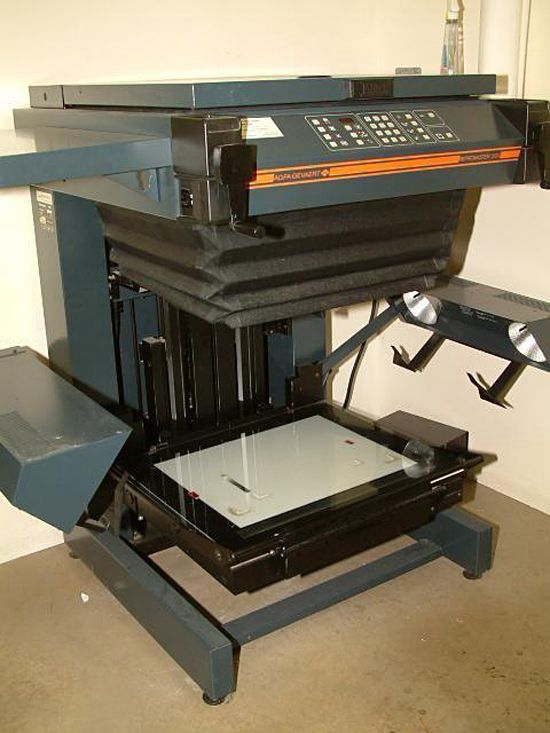
Installed to replace the Littlejohn camera, bringing improved photographic reproduction and greater control in the camera room.
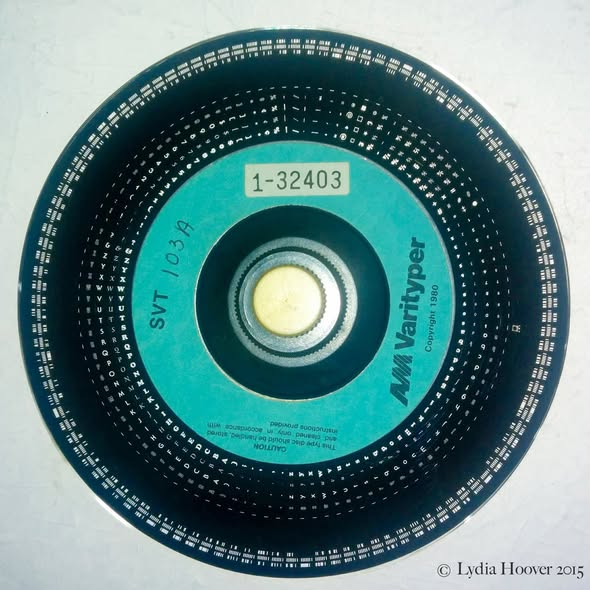
Our Harris system was upgraded for AM Varityper technology. Glyn continued investing in faster, more flexible methods that eased production without lowering standards.
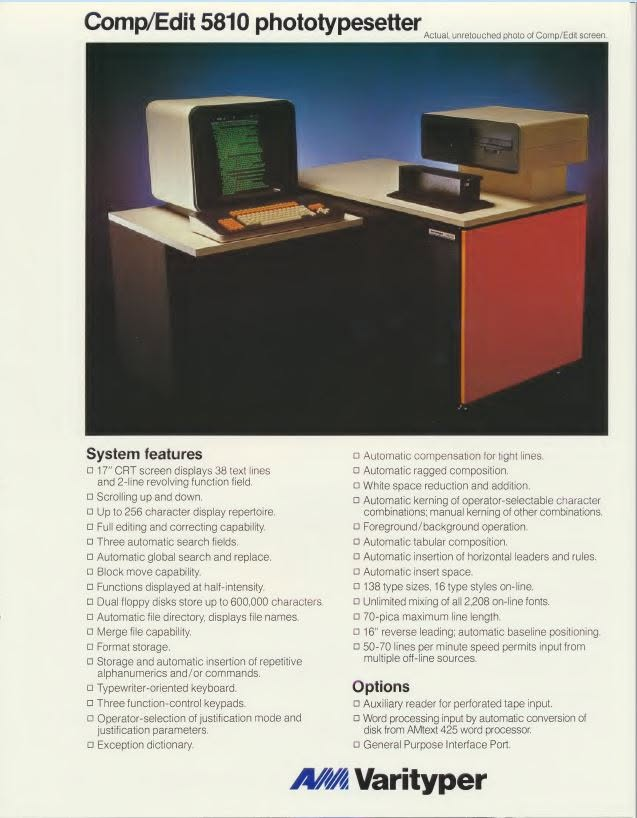
The Comp/Edit generation brought screen-based editing and greater control before desktop publishing transformed the industry.
Period reference material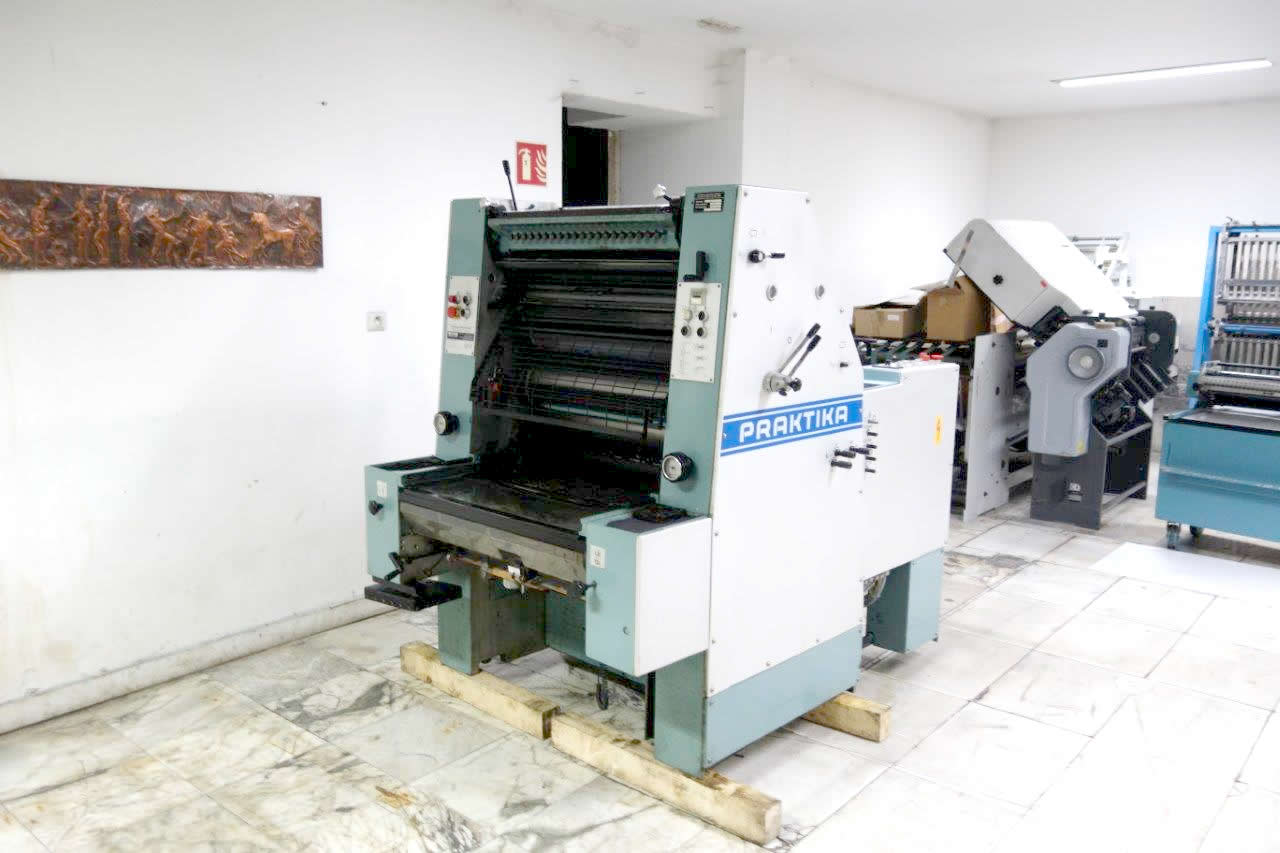
Added flexible single-colour lithographic capacity during a period of steady growth.
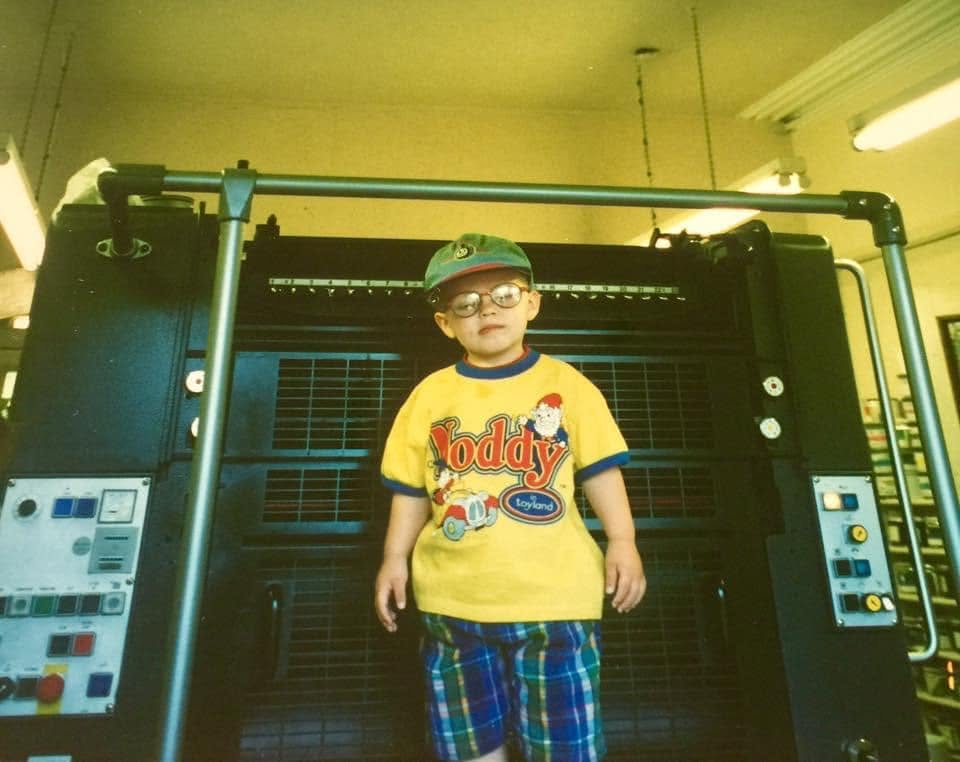
James, aged three, in front of the SORM. The pressroom was not simply a workplace. It formed part of everyday family life.
Davies family collection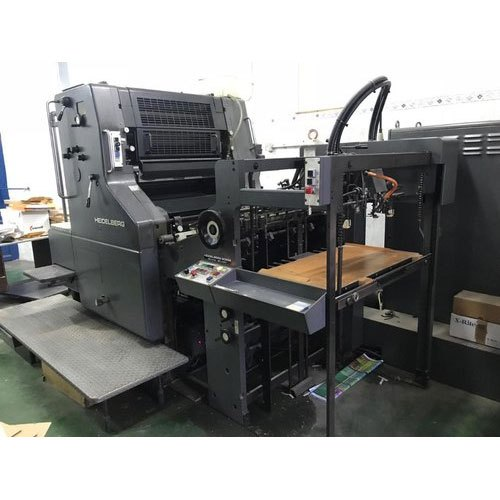
The larger B2 sheet size opened new opportunities and expanded Glenside's lithographic capability.
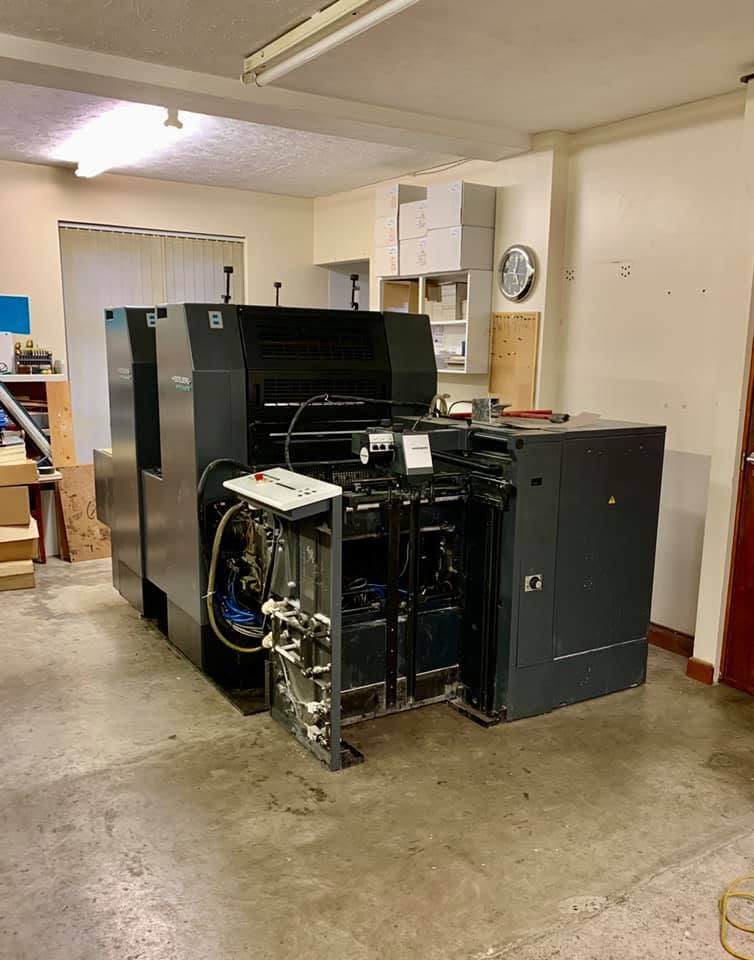
Our first Speedmaster marked the beginning of a major new chapter in the pressroom.
Glenside photograph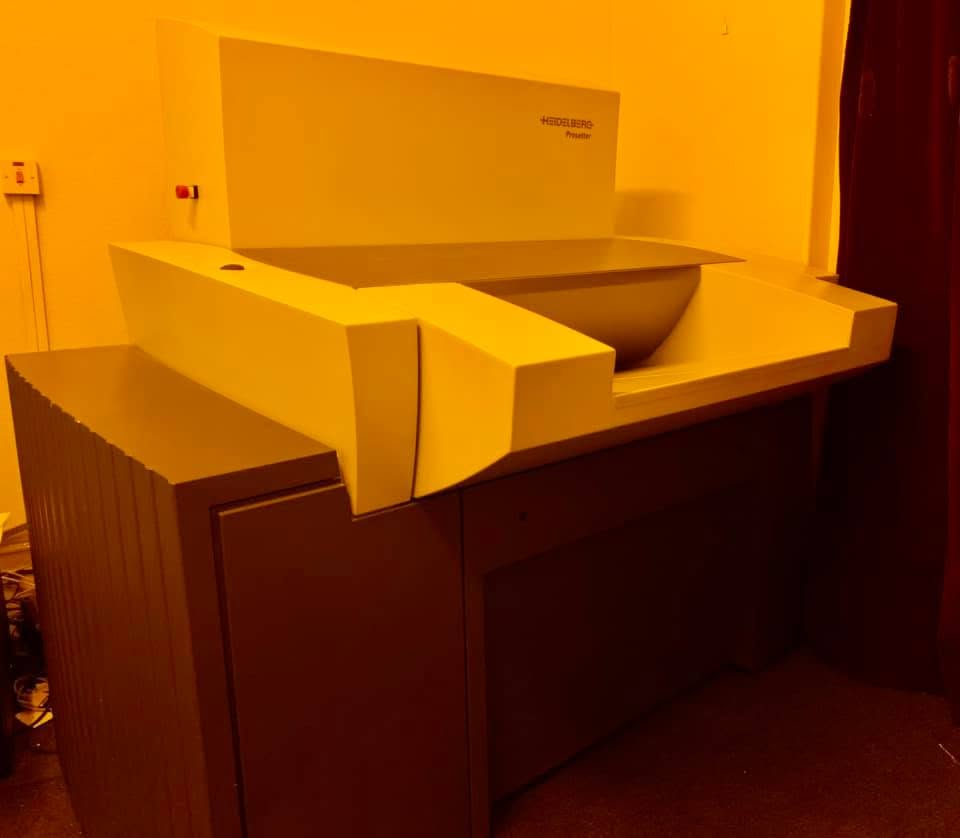
Violet-laser Computer-to-Plate removed film from the workflow and increased plate quality and output speed dramatically.
Glenside photograph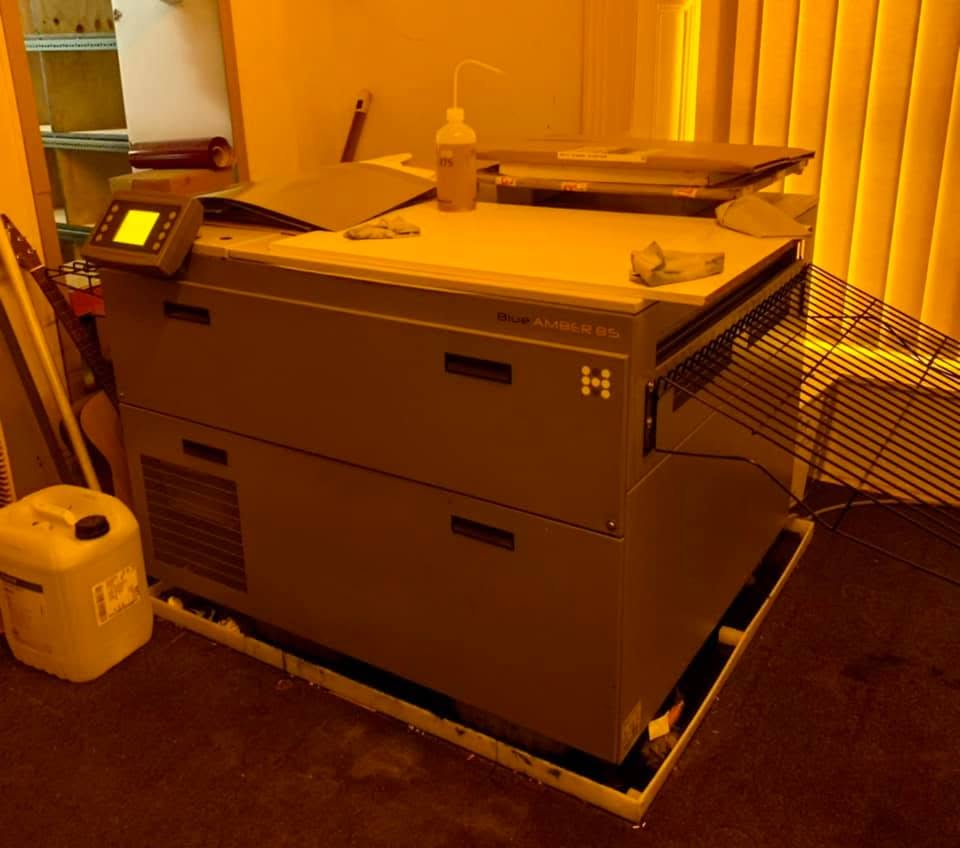
The violet plate processor worked alongside the Prosetter in the darkroom, developing plates before they reached the press.
Glenside photograph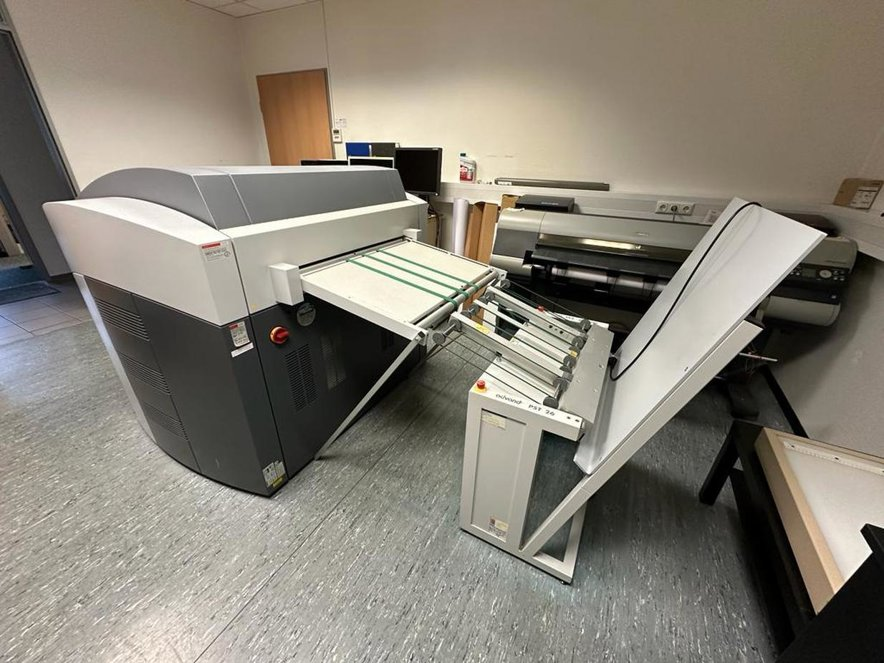
Installed in 2022, the chemistry-free Suprasetter removed conventional plate-processing chemistry. Plates develop directly on press, reducing waste while improving consistency and supporting Glenside's environmental goals.
The offset era begins at Glenside.
Greater commercial capacity.
Expansion rather than replacement.
Flexible short-run offset work.
The Heidelberg story begins.
Added pressroom flexibility.
High-speed long-run production.
Panther imagesetter and Polar 78.
05
Supporting the industry
Glenside has long supported printers and design agencies across South Wales and the wider UK with confidential trade production and white-label printing.
After a serious factory fire at Pensord Press in Pontllanfraith in December 2010 disrupted production, Glenside stepped in to help protect the schedules of nationally distributed magazines. Millions of reply-paid cards were printed with in-line lithographic perforation on our Komori Sprint SRA2 for insertion into their publications.
Much of this work happened quietly behind the scenes. That was never the point. The point was keeping another printer moving when it mattered.
07
The red pen
For Glyn, proof-reading was not simply part of the job. It became part of who he was.
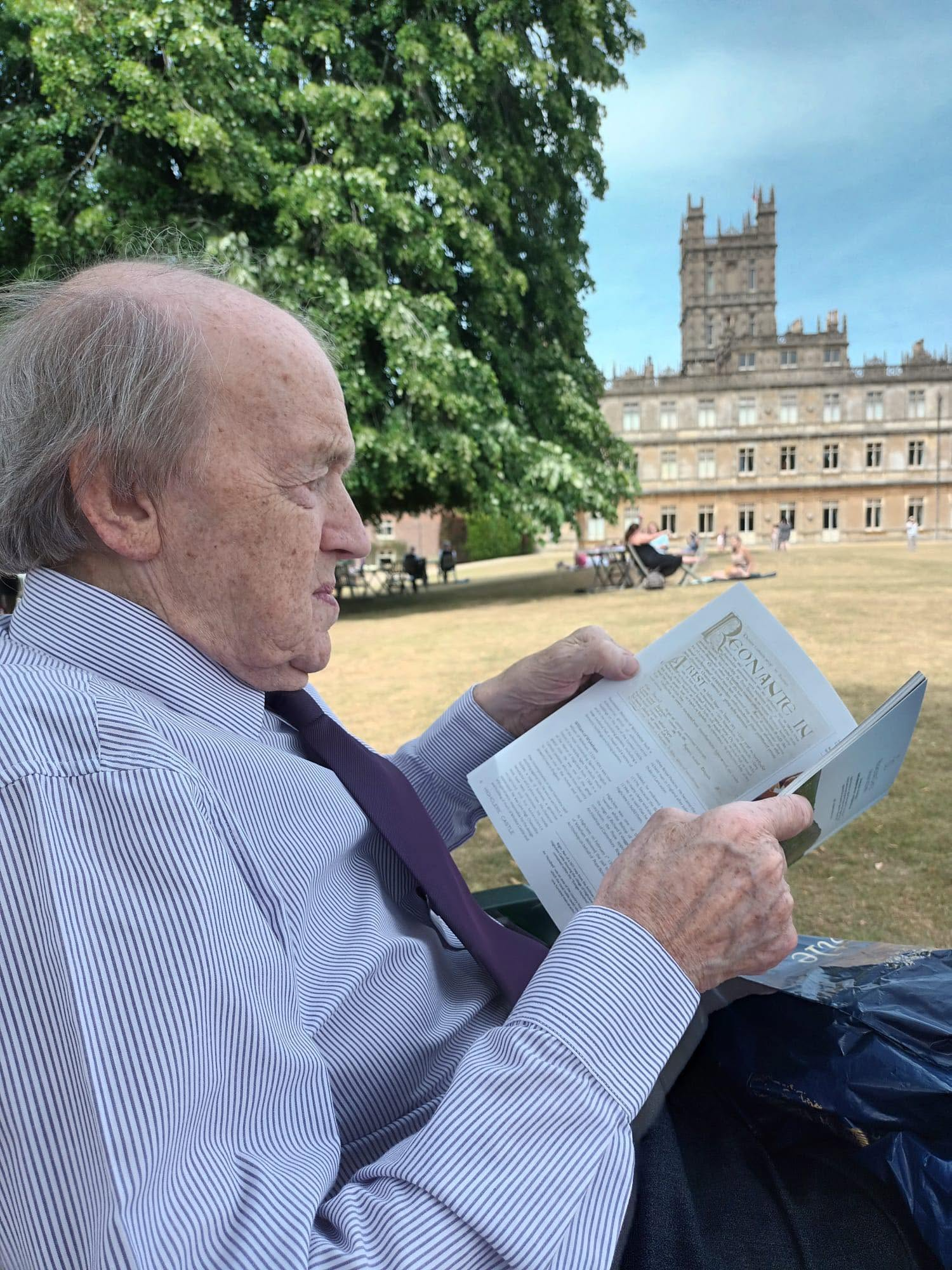
Every restaurant, function, magazine and programme was at the mercy of my father's red pen, regimentally positioned in his top pocket wherever he went.
His proof-reading ability, even in the darkest cinema, was legendary. The marks and squiggles he made looked like Egyptian hieroglyphics to anyone else. To my father, who trained at the London College of Printing at Elephant and Castle, they were a precise professional language.
He never corrected copy to criticise the writer. He corrected it because he believed the written word deserves respect.
At Highclere Castle, while other visitors admired the house and grounds, he settled down with a small glass of sweet white wine and began proof-reading the official guidebook. Of course he did.
You can retire from a profession. You never retire from a craft.
07
Why I built this archive
For nearly two centuries, knowledge passed from one generation of our family to the next. Not through manuals, but across the composing room, the darkroom and the pressroom; watching, listening and learning.
I was fortunate. My father taught me every stage of the trade and passed on far more than technical knowledge. He passed on standards, pride, respect and craftsmanship.
My sons have followed different paths. James works in Cardiac MRI and Ben studied Professional Policing before going through Sandhurst. I could not be prouder of either of them. Although neither followed me into printing, they remain part of the same family story.
This archive is not an attempt to persuade anyone to become a printer. It is my way of ensuring that the knowledge entrusted to me is never lost.
If one day my grandchildren discover these pages, smile at the story of the Red Pen and understand why quality mattered so much to their great-grandfather, then this archive will have achieved exactly what I hoped.
My father taught me the craft. This archive is my way of making sure he never stops teaching.
Dedicated to the generations who taught us that quality is never an accident.
